

Power Steering: You Turn the Wheel, but There's More Doing the Work Turn the steering wheel in a parking lot and the front tires change direction without demanding much effort from you. That's power steering doing a job most of us stopped appreciating years ago. It's supposed to feel easy, predictable, and completely ordinary. When something goes wrong, however, you notice quickly. Steering may become heavier, a warning light may appear, or noises may develop while turning. Understanding which type of power steering your vehicle uses and recognizing changes in how it behaves can help Del Rio, TX, drivers know when it's time for a steering inspection. Power Steering Is Exactly What the Name Suggests Power steering reduces the physical effort required to turn a vehicle's wheels, particularly at lower speeds. Hydraulic systems use an engine-driven pump and power steering fluid to provide assistance, while Electric Power Steering, or EPS, uses an electric motor and doesn't require hydraulic steering fluid. Many newer Nissan vehicles use EPS. The engineering differs, but the driver's experience should remain predictable: you turn the wheel and the system assists. If that effort suddenly changes, steering-system diagnostics can help identify the cause instead of leaving you to guess which component has developed a problem. Steering Problems Tend to Introduce Themselves A hydraulic power steering system may produce whining or groaning noises when fluid is low or the pump is struggling. Steering that becomes unusually stiff or heavy, particularly at low speeds, is another obvious reason to schedule an inspection. Drivers may also notice vibration or pulling to one side, although those symptoms can have causes beyond the power steering system itself. That's why a professional steering and suspension inspection is more useful than diagnosing the vehicle by noise alone. If the way your Nissan steer changes noticeably, have the problem evaluated promptly rather than adapting your driving around it. Hydraulic Systems Need Their Fluid If your vehicle uses hydraulic power steering, fluid condition and level are part of maintaining the system. Low fluid can reduce steering assistance and may indicate a leak that deserves further inspection. Fluid condition can also change over time, so maintenance should follow the recommendations for the specific vehicle rather than a universal interval. Check the owner's manual for the appropriate power steering fluid and maintenance guidance. If you're unsure what your Nissan requires, our service department can inspect the system and determine if power steering fluid service or another repair is appropriate. Electric Steering Loses the Fluid, Not the Need for Inspection EPS removes the hydraulic pump and fluid from the equation, but the system still contains electrical and mechanical components that can develop problems. A steering-related warning light or noticeable change in steering effort should be diagnosed promptly. Routine maintenance and a Multi-Point Vehicle Inspection can provide opportunities to identify concerns elsewhere in the vehicle that may affect steering behavior. The absence of a power steering fluid reservoir doesn't mean the steering system has become immortal. It simply means maintenance and diagnosis take a different form. Sometimes the Steering Problem Starts at the Tires Steering feel depends on more than the power-assist system. Tire condition, tire pressure, wheel alignment, and other suspension or steering components can influence how a vehicle tracks and responds. Uneven tire wear or persistent pulling may justify tire service, an alignment check, or a broader steering and suspension inspection. Keeping tires properly inflated and addressing unusual wear can also help technicians spot developing problems sooner. Combining these checks with routine Nissan maintenance can be more useful than waiting until the steering wheel starts providing unmistakable clues. If Steering Feels Different, Find Out Why Steering is one vehicle system where a noticeable change deserves attention. Brown Nissan of Del Rio serves Del Rio, TX, drivers with power steering inspections, steering and suspension diagnostics, wheel alignment, tire service, Multi-Point Vehicle Inspections, and other Nissan maintenance and repair services. Owners can also review available service specials before arranging maintenance. If your Nissan has developed heavier steering, unusual noises, pulling, vibration, or a steering warning light, schedule a service appointment online and have the cause properly diagnosed.
Car Cleaning Tips: From Floorboards to Paint
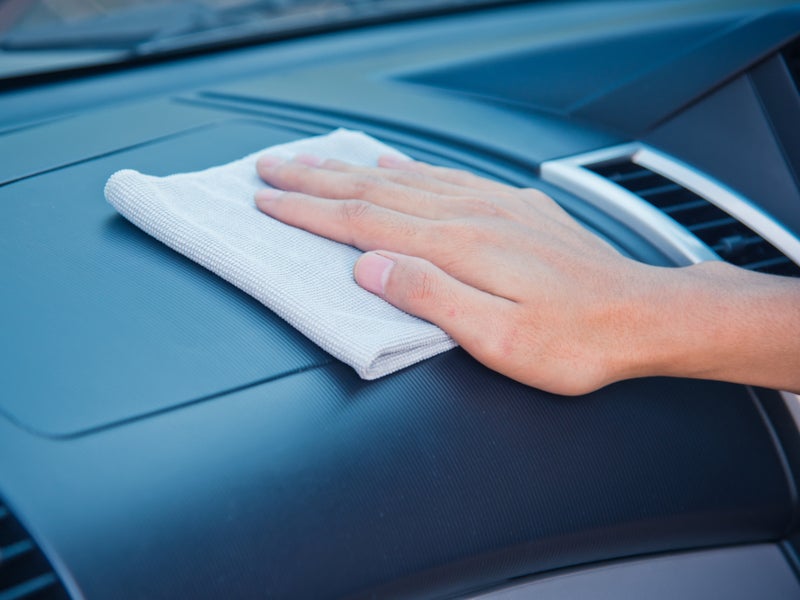
Car Cleaning Tips: From the Floorboards to the Headlights Cleaning a car properly can become a surprisingly involved business. You begin by deciding to vacuum the driver's footwell and, 3 hours later, you're holding a tiny brush and removing brake dust from behind a wheel spoke. Still, there's good reason to do it. Dirt, road grime, heat, and relentless Texas sun can be hard on a vehicle's surfaces. For drivers around Del Rio, TX, regular cleaning isn't simply about arriving somewhere in a shiny car. Done correctly, it can help protect the materials and finishes you've already paid for. Begin With the Bit Your Shoes Have Been Attacking Floorboards collect an impressive mixture of dirt, grit, moisture, and whatever else passengers bring inside. Remove the mats first, shake out loose debris, and vacuum them separately. Inside the vehicle, a stiff-bristle brush can loosen dirt trapped deeper in carpet fibers before another pass with the vacuum. For stains, apply an appropriate fabric or carpet cleaner, allow it to work according to its instructions, and agitate the affected area before removing the residue. Don't soak the carpet unnecessarily; the objective is to clean it, not create an indoor paddling pool. The Dashboard Requires a Gentler Approach Start interior surfaces with a dry microfiber cloth to collect loose dust before introducing cleaners. A suitable interior product can then be used on the dashboard, center console, door panels, and other compatible hard surfaces. Touchscreens deserve more restraint. Avoid silicone-based treatments and use a clean, lightly dampened microfiber cloth to reduce fingerprints and streaking without leaving a greasy surface behind. Air vents are another place dust likes to hide, and a soft detailing brush can reach between the slats without requiring half the dashboard to be dismantled. Wheels Are Filthy for a Very Good Reason Brake dust, road grime, and heat make wheels one of the tougher areas to clean. Work on cool wheels and use a cleaner specifically compatible with their finish. After applying the product according to its directions, agitate stubborn contamination with a dedicated wheel brush, using a smaller brush around spokes and lug-nut recesses. Rinse thoroughly and dry the wheels with a clean towel to reduce water spotting. A compatible wheel sealant can then add a protective layer that may make accumulated grime easier to remove during the next wash. Your Paint Doesn't Want Dish Soap Before touching the bodywork with a wash mitt, rinse away as much loose dirt as possible. Use automotive wash soap instead of household dish detergent, which can remove existing waxes and protective products. Work from the top of the vehicle downward with a clean mitt, using straight passes and rinsing regularly to reduce the chance of dragging abrasive contamination across the paint. Once the vehicle is washed and dried, polishing can address certain light surface imperfections and improve gloss. Follow with a compatible wax or paint protectant to add protection between washes. Cloudy Headlights Aren't Just an Appearance Problem Headlight lenses can oxidize and turn hazy after prolonged exposure to sunlight, something Del Rio certainly isn't short of. Headlight restoration kits typically combine abrasives, polishing compound, and UV protection. Depending on the kit, restoration may involve wet-sanding the lens with progressively finer abrasives before polishing it clear again. Follow the product instructions closely because removing too much material or skipping stages can make the result worse. Finish with the supplied UV protectant or compatible coating. Restoring badly oxidized lenses can improve appearance and may also help recover light output that haze has reduced. Clean Methodically and Protect What You've Finished Nissan owners around Del Rio, TX, can also visit Brown Nissan for vehicle care assistance and service needs. If your Nissan needs professional attention beyond cleaning, schedule a service appointment online and let the service team handle the mechanical side while you keep the microfiber cloths busy.