
Brown Nissan of Del Rio

Blog / Coolant

Nissan Coolant FAQ: What It Is, Types, and When to Flush or Refill

Nissan Coolant FAQ: What It Is, Types, and When to Flush or Refill 

You know that your engine needs coolant, but do you really know why? Coolant is one of those maintenance essentials that often gets overlooked until something goes wrong. No matter if you drive a Nissan Rogue, Frontier, or Sentra in Del Rio, Texas, understanding your coolant can help you keep your engine running reliably for years to come. 

What Is Coolant? 

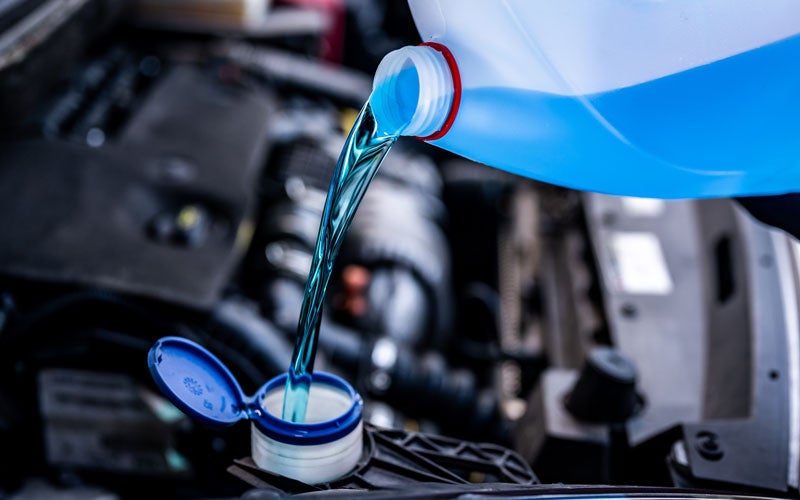
Coolant - also called antifreeze - is a liquid mixture that circulates through your engine to regulate temperature. It absorbs heat from the engine and carries it to the radiator, where it disperses before cycling back through again. Without it, your engine would overheat quickly and suffer serious damage. Most coolant is a blend of water and ethylene glycol, often with added corrosion inhibitors to protect metal components. 

What Does Coolant Do? 

Coolant serves more than one purpose. Yes, it prevents overheating, but it also keeps your engine from freezing in cold weather and protects internal parts from rust and corrosion. For drivers in Del Rio, TX, where summer temperatures can be extreme, having clean, properly mixed coolant is especially important. It helps your heating and cooling system work efficiently all year long. 

What Types of Coolant Are There? 

Not all coolant is the same, and using the wrong type can cause problems. There are three main categories. 

  • Inorganic Additive Technology (IAT) is an older green-colored formula that typically needs to be replaced every two years or 30,000 miles. 
  • Organic Acid Technology (OAT) uses a longer-lasting formula and is common in many modern vehicles. 
  • HOAT - which stands for Hybrid Organic Acid Technology - combines the best traits of both IAT and OAT. HOAT coolant is commonly specified for Nissan vehicles and provides excellent protection against corrosion and temperature extremes. 

Always check your owner's manual to confirm which type your specific Nissan requires. Using the wrong formula can reduce effectiveness and may even damage seals or components over time. 

When Should You Flush or Refill Nissan Coolant? 

Most Nissan vehicles recommend a coolant flush every 50,000 to 60,000 miles, though some HOAT-based formulas may last longer under normal driving conditions. You should also pay attention to the color and clarity of your coolant. If it appears rusty, murky, or has visible particles, it is time for a flush regardless of mileage. Low coolant levels are another warning sign. If you're frequently topping off, there may be a leak in the system that needs attention. 

How Is a Coolant Flush or Refill Done? 

A coolant flush involves draining the old fluid from the system, flushing it with clean water or a flush solution, and then refilling with fresh coolant mixed to the correct ratio - usually 50 percent coolant and 50 percent distilled water. While some drivers handle top-offs themselves, a full flush is best left to a trained technician. Proper disposal of old coolant is also required, as it is toxic and harmful to the environment. 

Where to Get Nissan Coolant Service

Keeping up with your Nissan's coolant needs isn't complicated. A certified service technician will use the right coolant formula for your specific model, inspect the cooling system for leaks or wear, and make sure everything is filled to the proper level. 

Protect Your Engine With the Right Nissan Coolant Care 

Understanding what coolant does and when to service it gives you a real advantage as a vehicle owner. From knowing the difference between OAT and HOAT formulas to recognizing when a flush is overdue, staying informed means fewer surprises down the road. Drivers throughout Del Rio, TX can visit our service team at Brown Nissan of Del Rio for expert Nissan cooling system care and honest guidance every step of the way. 

Posted in:

Related Posts

Why Is My Car Pulling to One Side? Signs You May Need a Tire Alignment

Why Is My Car Pulling to One Side? Signs You May Need a Tire Alignment

A vehicle that pulls to one side while driving can be more than a minor inconvenience. Uneven steering response, drifting on straight roads, or constant corrections behind the wheel may indicate an issue with your vehicle’s tire alignment. Proper alignment helps ensure that your Nissan’s wheels are positioned correctly according to manufacturer specifications, allowing the tires to maintain proper contact with the road. At Brown Nissan in Del Rio, TX, professional alignment services help drivers address handling concerns and maintain tire performance. Whether your vehicle has started pulling left or right, the issue may be related to alignment, tire condition, suspension components, or other factors that affect how your Nissan drives. What Does Tire Alignment Mean? Tire or wheel alignment, is the process of adjusting the angles of your vehicle’s wheels so they match Nissan’s recommended specifications. Alignment does not involve adjusting the tires themselves. Instead, technicians adjust suspension components that control how the wheels sit and interact with the road. more Proper alignment affects several important areas of vehicle performance, including: Steering response and control Tire contact with the road surface Even tire wear patterns Driving stability Overall handling performance When your wheels are properly aligned, your Nissan can maintain a straighter path with less effort from the driver. Misalignment can cause tires to work against each other, creating unnecessary wear and affecting the way your vehicle feels on the road. Common Reasons Your Car May Pull to One Side A vehicle pulling to one side can happen for several reasons. While tire alignment is one of the most common causes, other issues may contribute to uneven steering or handling concerns. Common causes include: Misaligned wheels: Wheels that are not positioned correctly can cause your Nissan to drift or pull while driving. Uneven tire pressure: Tires with different air pressure levels can create an imbalance that affects steering. Uneven tire wear: Tires worn more heavily on one side may impact vehicle tracking. Suspension issues: Worn or damaged suspension components can change wheel positioning. Brake problems: A sticking brake component can create resistance on one side of the vehicle. Road conditions: Sloped roads and uneven pavement can naturally cause slight pulling. A professional inspection can help determine whether alignment service or another repair is needed. Signs Your Nissan May Need a Wheel Alignment Many alignment problems develop gradually. Drivers may notice small changes in how their vehicle handles before the issue becomes more noticeable. Paying attention to these signs can help prevent additional tire wear and maintain comfortable driving. Look for these common indicators: Vehicle pulls left or right when driving on a straight road Steering wheel sits off-center while traveling straight Steering feels loose or requires frequent corrections Tires show uneven tread wear Vehicle feels unstable during highway driving Steering wheel vibrates under certain driving conditions If you notice any of these symptoms, scheduling an alignment inspection can help identify the cause and protect your tires from unnecessary wear. How Tire Alignment Affects Tire Life Your tires are designed to wear evenly across the tread surface. When alignment angles are incorrect, certain areas of the tire may experience more pressure than others. Over time, this can lead to uneven tread wear and reduce the lifespan of your tires. Proper alignment helps support: More consistent tire wear Better steering control Improved road contact Balanced handling characteristics More predictable vehicle performance Regular maintenance inspections allow technicians to identify alignment concerns before they create larger issues. This is especially important for drivers who frequently travel over rough roads, encounter potholes, or drive long distances. What Happens During a Nissan Alignment Service? A professional tire alignment service involves checking the current wheel angles and making adjustments as needed. Nissan service technicians use specialized equipment to measure alignment settings and compare them with manufacturer specifications. During an alignment inspection, technicians may evaluate: Camber angle, which affects how the tire sits vertically against the road Toe angle, which affects whether tires point inward or outward Caster angle, which influences steering stability and control Steering and suspension components Tire condition and inflation levels After adjustments are completed, your vehicle can return to a more balanced driving position with improved handling characteristics. Why Professional Nissan Service Matters Alignment settings vary by vehicle model, suspension design, and manufacturer requirements. A Nissan Rogue, Altima, Frontier, Pathfinder, or other Nissan model may require specific alignment measurements to maintain proper performance. Certified Nissan service professionals understand the engineering behind Nissan vehicles and use equipment designed to accurately diagnose tire and wheel concerns. Professional service can help ensure adjustments are made correctly while identifying other potential maintenance needs. Benefits of choosing a Nissan service center include: Technicians familiar with Nissan vehicles Access to manufacturer-specific service information Proper diagnostic equipment Assistance identifying related tire or suspension concerns Service recommendations based on your vehicle’s condition Maintaining proper alignment is an important part of protecting your Nissan’s handling and tire performance. Schedule Tire Alignment Service at Brown Nissan in Del Rio, TX If your Nissan is pulling to one side, the steering wheel is off-center, or your tires are wearing unevenly, Brown Nissan can help identify the cause. Professional alignment service supports better vehicle control and helps keep your tires working as intended. Drivers in Del Rio and surrounding areas can visit Brown Nissan for Nissan maintenance and tire services performed by a knowledgeable service team. Keeping your wheels properly aligned helps your Nissan continue delivering a comfortable and confident driving experience.

Why Winter Maintenance is Important for Your Nissan 

Why Winter Maintenance is Important for Your Nissan

Even in Del Rio, Texas, winter temperatures can drop low enough to affect how your vehicle performs. Winter maintenance is one of the best ways to protect your vehicle and avoid unexpected breakdowns during the colder months. A little preparation goes a long way toward keeping your Nissan running reliably all season. Cold weather puts extra stress on several key vehicle systems - from the battery to the engine to the tires. Skipping seasonal upkeep can turn a minor issue into a much larger, more expensive problem. If you drive a Nissan Rogue, Frontier, Sentra, or any other model, a few simple checks can make a difference. Common Types of Winter Maintenance When it comes to winter maintenance, there are a handful of service items that are the most important. Checking your antifreeze level is one of the first things a technician will do. Antifreeze, also known as coolant, helps prevent the fluid in your engine from freezing in low temperatures and overheating when things warm back up. Without the right antifreeze concentration, your engine is at risk. more Battery health is another priority. Cold weather reduces a battery's ability to hold and deliver a charge, which is why many vehicles that seem fine in fall suddenly struggle to start in January. Having your battery tested before winter arrives is a smart, low-cost step. You should also keep an eye on your tire pressure. As temperatures drop, tire pressure naturally decreases - typically about one pound per square inch for every 10-degree drop in temperature. Properly inflated tires help maintain traction and handling. In addition to pressure, the condition of your wiper blades and the level of your washer fluid should be checked to ensure clear visibility on cold or wet mornings. What Happens If You Skip Winter Maintenance Neglecting winter maintenance doesn't just leave you stranded - it can lead to premature wear on critical components. If antifreeze levels are low or the coolant mixture is off, you risk serious engine damage that can be costly to repair. A weak battery that isn't replaced before winter can fail at the worst possible moment, leaving you without a working vehicle when you need it most. Underinflated tires reduce handling precision and can increase stopping distances, which is a safety concern on wet or cold roads. Over time, ignoring these seasonal checks can shorten the lifespan of components that would otherwise last much longer with routine care. Take Care of Your Nissan This Winter Winter maintenance is one of the simplest things you can do to protect the performance and longevity of your Nissan. From antifreeze and battery checks to tires and wipers, staying on top of seasonal service keeps you safe and helps you avoid larger repairs down the road. Stop by Brown Nissan of Del Rio to schedule your winter checkup today.

Nissan Key Fob: Features, Benefits, and How to Replace the Battery 

Nissan Key Fob: Features, Benefits, and How to Replace the Battery

Most vehicle technology falls into one of two categories. There is the technology drivers use every day, and there is the technology they only notice when it stops working. The Nissan key fob manages to be both. It sits in your pocket, purse, or cupholder and quietly handles dozens of interactions every week. Unlocking doors, starting the vehicle, opening the trunk, and activating remote functions all happen with a small device many drivers barely think about until the battery starts running low. A Key FOB is More Than Just a Remote At its most basic level, the Nissan key fob allows you to lock and unlock your vehicle remotely. Most modern Nissan models also include additional features such as remote trunk access, panic alarm functions, and available remote engine start. more Many vehicles equipped with Nissan Intelligent Key® technology take convenience a step further. As long as the key fob is nearby, the vehicle can recognize its presence and allow you to unlock the doors and start the engine without ever removing the fob from your pocket or bag. It is a straightforward feature, but one that quickly becomes second nature. Intelligent Key Technology Makes Everyday Driving Easier The best automotive technology solves small problems before they become inconveniences. Nissan's Intelligent Key® system does exactly that. Carrying groceries, managing a busy schedule, or simply trying to get out of the Texas heat becomes easier when you can unlock and start your vehicle without searching for a traditional key. Remote start is another popular feature available on many Nissan models. During hot Del Rio summers, being able to cool the cabin before stepping inside is a benefit drivers appreciate almost immediately. Some models also allow select window functions to be operated remotely, helping release trapped heat before you enter the vehicle. Security Is Built into the System Convenience is important, but security remains equally critical. Nissan key fobs use encrypted rolling-code technology that changes the signal after each use. This helps prevent unauthorized duplication and adds an additional layer of protection for the vehicle. For most owners, it is security operating in the background, which is exactly how it should be. Replacing the Battery Is Usually Simple Like any battery-powered device, the key fob battery eventually reaches the end of its service life. Common signs include reduced operating range, inconsistent button response, or needing multiple button presses before the vehicle reacts. Fortunately, replacing the battery is usually straightforward. Most Nissan key fobs use a CR2032 coin-cell battery. The mechanical key can typically be removed first, allowing the fob housing to be opened carefully. Once inside, the old battery can be replaced with a new one installed in the same orientation. After reassembling the fob, all functions should be tested to confirm proper operation. Checking your owner's manual first is always recommended, as battery specifications can vary by model. When a New Battery Doesn't Solve the Problem Occasionally, a key fob issue involves more than a weak battery. Programming concerns, internal electronic damage, or wear caused by drops and moisture exposure can prevent the fob from functioning properly. If a battery replacement does not restore normal operation, professional diagnosis may be necessary. Many Nissan models can be reprogrammed when needed, while severely damaged fobs may require replacement. Get Help with Your Nissan Key Fob in Del Rio, TX A Nissan key fob is a small piece of technology that plays a surprisingly large role in everyday ownership. Understanding its features, knowing how to replace the battery, and recognizing early warning signs can help prevent unnecessary frustration. Drivers throughout Del Rio, TX can turn to Brown Nissan of Del Rio for key fob replacement, programming assistance, battery service, and expert support for Nissan vehicles. Whether your key fob needs a simple battery change or a complete replacement, the team is ready to help keep you connected to your vehicle.