Brown Nissan of Del Rio

Blog / Del Rio Nissan Service

Why Winter Maintenance is Important for Your Nissan

Why Winter Maintenance is Important for Your Nissan 

Even in Del Rio, Texas, winter temperatures can drop low enough to affect how your vehicle performs. Winter maintenance is one of the best ways to protect your vehicle and avoid unexpected breakdowns during the colder months. A little preparation goes a long way toward keeping your Nissan running reliably all season. 

Cold weather puts extra stress on several key vehicle systems - from the battery to the engine to the tires. Skipping seasonal upkeep can turn a minor issue into a much larger, more expensive problem. If you drive a Nissan Rogue, Frontier, Sentra, or any other model, a few simple checks can make a difference. 

Common Types of Winter Maintenance 

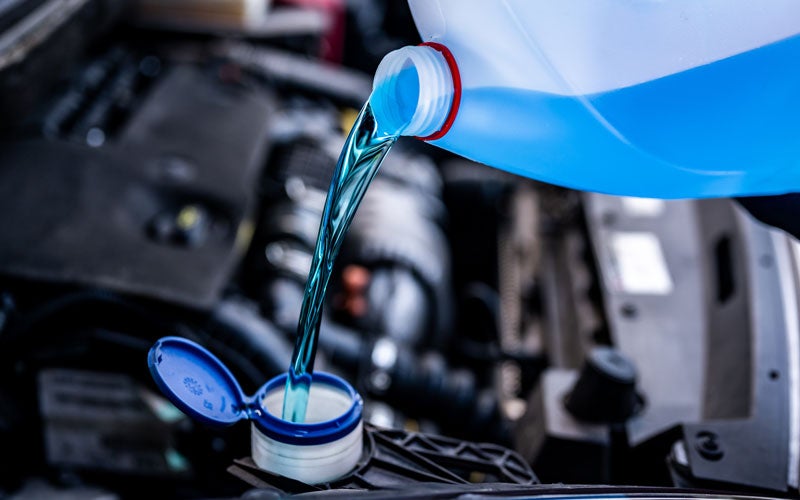
When it comes to winter maintenance, there are a handful of service items that are the most important. Checking your antifreeze level is one of the first things a technician will do. Antifreeze, also known as coolant, helps prevent the fluid in your engine from freezing in low temperatures and overheating when things warm back up. Without the right antifreeze concentration, your engine is at risk. 

Battery health is another priority. Cold weather reduces a battery's ability to hold and deliver a charge, which is why many vehicles that seem fine in fall suddenly struggle to start in January. Having your battery tested before winter arrives is a smart, low-cost step. 

You should also keep an eye on your tire pressure. As temperatures drop, tire pressure naturally decreases - typically about one pound per square inch for every 10-degree drop in temperature. Properly inflated tires help maintain traction and handling. In addition to pressure, the condition of your wiper blades and the level of your washer fluid should be checked to ensure clear visibility on cold or wet mornings. 

What Happens If You Skip Winter Maintenance 

Neglecting winter maintenance doesn't just leave you stranded - it can lead to premature wear on critical components. If antifreeze levels are low or the coolant mixture is off, you risk serious engine damage that can be costly to repair. A weak battery that isn't replaced before winter can fail at the worst possible moment, leaving you without a working vehicle when you need it most. 

Underinflated tires reduce handling precision and can increase stopping distances, which is a safety concern on wet or cold roads. Over time, ignoring these seasonal checks can shorten the lifespan of components that would otherwise last much longer with routine care. 

Take Care of Your Nissan This Winter 

Winter maintenance is one of the simplest things you can do to protect the performance and longevity of your Nissan. From antifreeze and battery checks to tires and wipers, staying on top of seasonal service keeps you safe and helps you avoid larger repairs down the road. Stop by Brown Nissan of Del Rio to schedule your winter checkup today.

Posted in:

Related Posts

Is an Oil Leak Serious? What Every Driver Should Know 

Is an Oil Leak Serious? What Every Driver Should Know

An oil leak can start small, but it should never be ignored. If you notice a dark puddle under your vehicle, a burning smell while driving, or a low oil level, the service team at Brown Nissan of Del Rio in Del Rio, TX, can help inspect the issue. Engine oil protects moving parts and helps control heat, so even a minor leak can lead to serious engine damage if it is not repaired. Oil is an important part of the engine. It keeps parts moving and helps manage heat. When oil escapes, these systems begin to break down, and the situation gets worse over time. How to Know If You Have an Oil Leak A common sign of an oil leak is finding oil under a car after it is parked. Fresh engine oil is amber or light brown. Older oil looks darker and thicker. A spot on a driveway or garage floor is a signal that the car needs service. Other warning signs include a low oil level on the dipstick or a burning smell while driving. Bluish smoke might come from the engine area. The oil pressure warning light may also turn on. Drivers should not ignore these signs even if the puddle is small. What to Do If You Have an Oil Leak The first step is to check the oil level. If the level is low, add the correct oil type. Adding oil is a temporary step and is not a fix. The driver must find the source of the leak and repair it. Drivers should not travel long distances with an oil leak. Running an engine with low oil causes internal damage. This includes worn bearings or a seized engine. If a driver in the Del Rio, TX, area sees oil under their car, they should get a professional inspection. Finding an Oil Leak Finding the source of a leak is not always easy. Oil travels along parts before it drips down. A technician cleans the engine area and uses tools to trace the leak. Common steps include checking the oil drain plug and the valve cover. The technician also looks at the oil pan and various seals. Professional help is necessary to find the leak and prevent more damage. Common Leak Sources A leaking valve cover gasket is a frequent issue. This happens as the part ages and cannot form a seal. Oil may drip onto hot parts and create a smell. The oil pan gasket is at the bottom of the engine. It can fail due to age or road debris. A loose oil drain plug also causes leaks. This often happens if the plug is not tight after an oil change. Rear main seals and timing cover gaskets are harder to fix. The risk of an oil leak depends on how fast the driver acts. If you suspect an oil leak, schedule service with Brown Nissan of Del Rio before the problem gets worse. Our technicians can inspect the engine, locate the source of the leak, and recommend the proper repair. Addressing an oil leak early helps protect your vehicle’s engine and gives you more confidence on the road in Del Rio, TX.

Understanding Your Vehicle's Transmission System 

Understanding Your Vehicle's Transmission System

If the engine is the muscle, the transmission is the part that actually makes that muscle useful. It takes all that spinning force and turns it into something your wheels can use. Smooth acceleration, steady cruising, controlled power delivery. That is all transmission work. Ignore it, and things get expensive fast. Types of Transmission Fluid Transmission fluid is not one-size-fits-all. Each system is built with a specific type of fluid in mind, and using the wrong one can cause real problems. more Automatic Transmission Fluid (ATF): This is the most common. It handles lubrication, cooling, and hydraulic pressure so gears shift cleanly and consistently. Manual Transmission Fluid: Thicker and built for gear-on-gear contact. It reduces wear and helps maintain smooth engagement over time. Synthetic Transmission Fluid: Designed to hold up under higher temperatures and longer service intervals. A solid choice for modern vehicles or demanding conditions. Continuously Variable Transmission (CVT) Fluid: Engineered specifically for CVT systems. These transmissions rely on precise friction characteristics, and the wrong fluid can disrupt how they operate. If there is any doubt, the safest move is to follow the manufacturer’s recommendation or check with Brown Nissan of Del Rio. It is not the place to guess. How Often Should You Schedule Service? Service intervals vary, but there are some solid guidelines. Automatic transmissions typically need attention somewhere between 30,000 and 60,000 miles. Manual transmissions often fall closer to 30,000 miles. Driving conditions matter. Towing, high temperatures, and stop-and-go traffic all put extra strain on the system. In a place like Del Rio, heat alone can shorten fluid life. A proper service often includes a fluid exchange. Old fluid comes out, fresh fluid goes in, and the system gets a reset. It is straightforward maintenance that helps avoid major repairs later. Signs Your Transmission Needs Attention Transmissions tend to give warnings before they fail. The trick is paying attention early. Delayed Gear Engagement: You shift, and the vehicle hesitates before responding. That usually points to worn or low fluid. Unusual Noises: Whining or grinding sounds often signal contamination or internal wear. Burning Smell: Overheated fluid breaks down and gives off a burnt odor. That is a clear sign something is not right. Leaking Fluid: Red, blue or purple fluid under the vehicle means the system is losing what it needs to function. Dashboard Warning Light: Modern systems monitor performance. If a light comes on, it is worth checking immediately. Transmission service is not complicated, but it does require the right approach. Correct fluid, proper intervals, and attention to early warning signs all play a role in keeping the system working as intended. At Brown Nissan of Del Rio, service teams focus on the details that keep transmissions operating smoothly. Fluid condition, system performance, and overall drivability are all part of the process, so small issues are handled before they turn into major repairs.

Vehicle Windshield Wipers

Windshield Wipers: When and How to Replace Them

When was the last time you replaced your windshield wipers? If you’re noticing streaks, reduced visibility, or squeaking noises, it may be time for new windshield wipers. Drivers in Del Rio, Texas, know how important clear visibility is, especially during sudden weather changes. Let’s dive into when to replace your wiper blades, how to install windshield wipers, and how Brown Nissan of Del Rio can help. When to Replace Your Windshield Wiper Blades Windshield wipers are often overlooked until they stop performing effectively. As a general rule, experts recommend replacing your wiper blades every 6 to 12 months, depending on your driving conditions and climate. However, here are some signs it’s time to invest in new windshield wipers: more - Streaking or Smearing: If your wiper blades leave uneven marks on your windshield, they’re not clearing water effectively. - Squeaking or Chattering: Noise during operation often indicates worn-out rubber or alignment issues. - Cracks or Tears in the Rubber: Inspect your blades regularly for physical damage. Regular maintenance is key, and if you’re unsure about the condition of your wipers, the service team at Brown Nissan of Del Rio can inspect them for you. How to Install Windshield Wipers Installing new windshield wipers may sound daunting, but it’s a straightforward process you can tackle yourself with the right guidance. Here’s a quick overview of how to install wiper blades safely: 1. Remove the Old Blades: Lift the wiper arm away from the windshield and locate the release tab on the blade. Press the tab and slide the blade off the arm. 2. Match the New Blades: Ensure the replacement wipers are the correct size for your vehicle. Check your owner’s manual or consult our service team at Brown Nissan of Del Rio for confirmation. 3. Attach the New Blades: Slide the new blade onto the arm until it clicks securely into place. Gently lower the arm back onto the windshield. If you’re unsure about any step, don’t hesitate to visit our service department in Del Rio, TX. We’re here to help with all your wiper blade installation needs! At Brown Nissan of Del Rio, we understand the importance of driving with full visibility. Our highly trained technicians can guide you in selecting the best windshield wipers for your Nissan model and ensure proper installation. Plus, we offer a range of Nissan-approved parts designed for optimal performance. Don’t let worn-out wipers impact your safety on the road. Whether it’s time for new wiper blades or you need help with how to install windshield wipers, we’re here for drivers throughout Del Rio, TX.