

If the engine is the muscle, the transmission is the part that actually makes that muscle useful. It takes all that spinning force and turns it into something your wheels can use. Smooth acceleration, steady cruising, controlled power delivery. That is all transmission work.
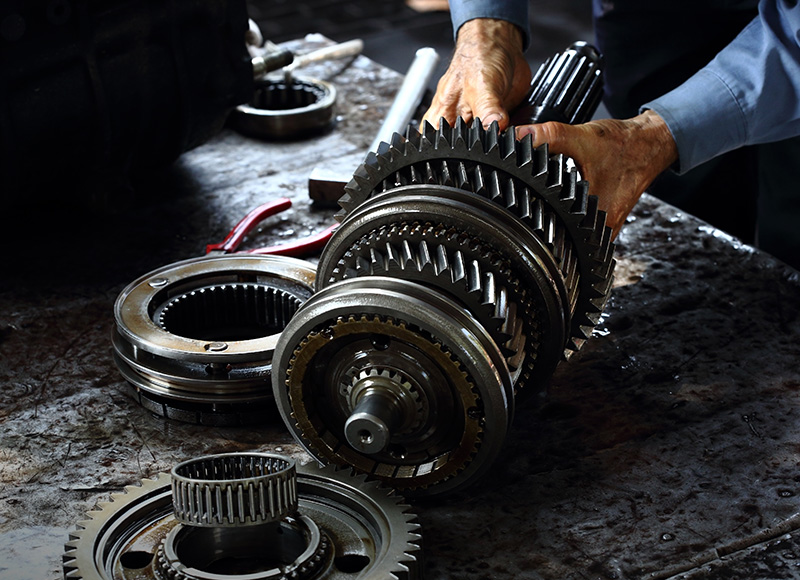
Ignore it, and things get expensive fast.
Types of Transmission Fluid
Transmission fluid is not one-size-fits-all. Each system is built with a specific type of fluid in mind, and using the wrong one can cause real problems.
- Automatic Transmission Fluid (ATF): This is the most common. It handles lubrication, cooling, and hydraulic pressure so gears shift cleanly and consistently.
- Manual Transmission Fluid: Thicker and built for gear-on-gear contact. It reduces wear and helps maintain smooth engagement over time.
- Synthetic Transmission Fluid: Designed to hold up under higher temperatures and longer service intervals. A solid choice for modern vehicles or demanding conditions.
- Continuously Variable Transmission (CVT) Fluid: Engineered specifically for CVT systems. These transmissions rely on precise friction characteristics, and the wrong fluid can disrupt how they operate.
If there is any doubt, the safest move is to follow the manufacturer’s recommendation or check with Brown Nissan of Del Rio. It is not the place to guess.
How Often Should You Schedule Service?
Service intervals vary, but there are some solid guidelines. Automatic transmissions typically need attention somewhere between 30,000 and 60,000 miles. Manual transmissions often fall closer to 30,000 miles.
Driving conditions matter. Towing, high temperatures, and stop-and-go traffic all put extra strain on the system. In a place like Del Rio, heat alone can shorten fluid life.
A proper service often includes a fluid exchange. Old fluid comes out, fresh fluid goes in, and the system gets a reset. It is straightforward maintenance that helps avoid major repairs later.
Signs Your Transmission Needs Attention
Transmissions tend to give warnings before they fail. The trick is paying attention early.
- Delayed Gear Engagement: You shift, and the vehicle hesitates before responding. That usually points to worn or low fluid.
- Unusual Noises: Whining or grinding sounds often signal contamination or internal wear.
- Burning Smell: Overheated fluid breaks down and gives off a burnt odor. That is a clear sign something is not right.
- Leaking Fluid: Red, blue or purple fluid under the vehicle means the system is losing what it needs to function.
- Dashboard Warning Light: Modern systems monitor performance. If a light comes on, it is worth checking immediately.
Transmission service is not complicated, but it does require the right approach. Correct fluid, proper intervals, and attention to early warning signs all play a role in keeping the system working as intended.
At Brown Nissan of Del Rio, service teams focus on the details that keep transmissions operating smoothly. Fluid condition, system performance, and overall drivability are all part of the process, so small issues are handled before they turn into major repairs.

