

You know that your engine needs coolant, but do you really know why? Coolant is one of those maintenance essentials that often gets overlooked until something goes wrong. No matter if you drive a Nissan Rogue, Frontier, or Sentra in Del Rio, Texas, understanding your coolant can help you keep your engine running reliably for years to come.
What Is Coolant?
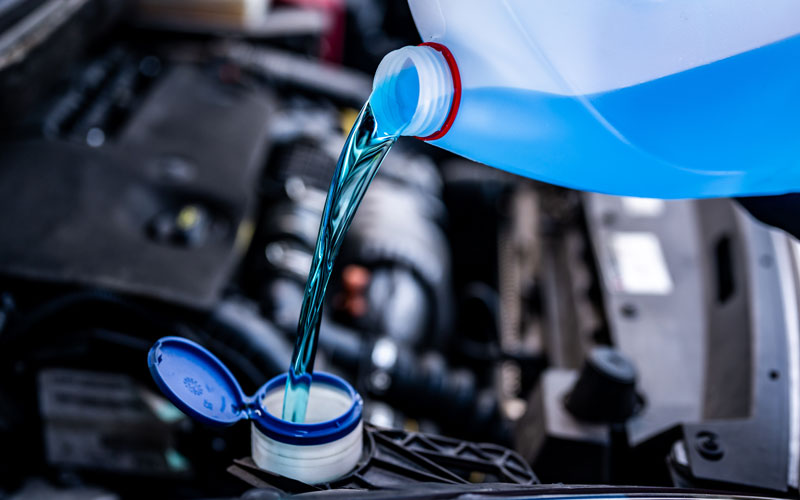
Coolant – also called antifreeze – is a liquid mixture that circulates through your engine to regulate temperature. It absorbs heat from the engine and carries it to the radiator, where it disperses before cycling back through again. Without it, your engine would overheat quickly and suffer serious damage. Most coolant is a blend of water and ethylene glycol, often with added corrosion inhibitors to protect metal components.
What Does Coolant Do?
Coolant serves more than one purpose. Yes, it prevents overheating, but it also keeps your engine from freezing in cold weather and protects internal parts from rust and corrosion. For drivers in Del Rio, TX, where summer temperatures can be extreme, having clean, properly mixed coolant is especially important. It helps your heating and cooling system work efficiently all year long.
What Types of Coolant Are There?
Not all coolant is the same, and using the wrong type can cause problems. There are three main categories.
- Inorganic Additive Technology (IAT) is an older green-colored formula that typically needs to be replaced every two years or 30,000 miles.
- Organic Acid Technology (OAT) uses a longer-lasting formula and is common in many modern vehicles.
- HOAT – which stands for Hybrid Organic Acid Technology – combines the best traits of both IAT and OAT. HOAT coolant is commonly specified for Nissan vehicles and provides excellent protection against corrosion and temperature extremes.
Always check your owner’s manual to confirm which type your specific Nissan requires. Using the wrong formula can reduce effectiveness and may even damage seals or components over time.
When Should You Flush or Refill Nissan Coolant?
Most Nissan vehicles recommend a coolant flush every 50,000 to 60,000 miles, though some HOAT-based formulas may last longer under normal driving conditions. You should also pay attention to the color and clarity of your coolant. If it appears rusty, murky, or has visible particles, it is time for a flush regardless of mileage. Low coolant levels are another warning sign. If you’re frequently topping off, there may be a leak in the system that needs attention.
How Is a Coolant Flush or Refill Done?
A coolant flush involves draining the old fluid from the system, flushing it with clean water or a flush solution, and then refilling with fresh coolant mixed to the correct ratio – usually 50 percent coolant and 50 percent distilled water. While some drivers handle top-offs themselves, a full flush is best left to a trained technician. Proper disposal of old coolant is also required, as it is toxic and harmful to the environment.
Where to Get Nissan Coolant Service
Keeping up with your Nissan’s coolant needs isn’t complicated. A certified service technician will use the right coolant formula for your specific model, inspect the cooling system for leaks or wear, and make sure everything is filled to the proper level.
Protect Your Engine With the Right Nissan Coolant Care
Understanding what coolant does and when to service it gives you a real advantage as a vehicle owner. From knowing the difference between OAT and HOAT formulas to recognizing when a flush is overdue, staying informed means fewer surprises down the road. Drivers throughout Del Rio, TX can visit our service team at Brown Nissan of Del Rio for expert Nissan cooling system care and honest guidance every step of the way.
Connect with us

