Brown Nissan of Del Rio

Blog

All Del Rio Nissan Service Del Rio Nissan Dealer Brown Nissan of Del Rio Service 2026 2026 Frontier 2026 Rogue Alignment Cleaning Coolant Del Rio Used Cars Nissan EV Parts Sentra Technology Towing Winter Maintenance
Car Cleaning Tips: From the Floorboards to the Headlights

Car Cleaning Tips: From Floorboards to Paint 

Car Cleaning Tips: From the Floorboards to the Headlights Cleaning a car properly can become a surprisingly involved business. You begin by deciding to vacuum the driver's footwell and, 3 hours later, you're holding a tiny brush and removing brake dust from behind a wheel spoke. Still, there's good reason to do it. Dirt, road grime, heat, and relentless Texas sun can be hard on a vehicle's surfaces. For drivers around Del Rio, TX, regular cleaning isn't simply about arriving somewhere in a shiny car. Done correctly, it can help protect the materials and finishes you've already paid for. Begin With the Bit Your Shoes Have Been Attacking Floorboards collect an impressive mixture of dirt, grit, moisture, and whatever else passengers bring inside. Remove the mats first, shake out loose debris, and vacuum them separately. Inside the vehicle, a stiff-bristle brush can loosen dirt trapped deeper in carpet fibers before another pass with the vacuum. For stains, apply an appropriate fabric or carpet cleaner, allow it to work according to its instructions, and agitate the affected area before removing the residue. Don't soak the carpet unnecessarily; the objective is to clean it, not create an indoor paddling pool. The Dashboard Requires a Gentler Approach Start interior surfaces with a dry microfiber cloth to collect loose dust before introducing cleaners. A suitable interior product can then be used on the dashboard, center console, door panels, and other compatible hard surfaces. Touchscreens deserve more restraint. Avoid silicone-based treatments and use a clean, lightly dampened microfiber cloth to reduce fingerprints and streaking without leaving a greasy surface behind. Air vents are another place dust likes to hide, and a soft detailing brush can reach between the slats without requiring half the dashboard to be dismantled. Wheels Are Filthy for a Very Good Reason Brake dust, road grime, and heat make wheels one of the tougher areas to clean. Work on cool wheels and use a cleaner specifically compatible with their finish. After applying the product according to its directions, agitate stubborn contamination with a dedicated wheel brush, using a smaller brush around spokes and lug-nut recesses. Rinse thoroughly and dry the wheels with a clean towel to reduce water spotting. A compatible wheel sealant can then add a protective layer that may make accumulated grime easier to remove during the next wash. Your Paint Doesn't Want Dish Soap Before touching the bodywork with a wash mitt, rinse away as much loose dirt as possible. Use automotive wash soap instead of household dish detergent, which can remove existing waxes and protective products. Work from the top of the vehicle downward with a clean mitt, using straight passes and rinsing regularly to reduce the chance of dragging abrasive contamination across the paint. Once the vehicle is washed and dried, polishing can address certain light surface imperfections and improve gloss. Follow with a compatible wax or paint protectant to add protection between washes. Cloudy Headlights Aren't Just an Appearance Problem Headlight lenses can oxidize and turn hazy after prolonged exposure to sunlight, something Del Rio certainly isn't short of. Headlight restoration kits typically combine abrasives, polishing compound, and UV protection. Depending on the kit, restoration may involve wet-sanding the lens with progressively finer abrasives before polishing it clear again. Follow the product instructions closely because removing too much material or skipping stages can make the result worse. Finish with the supplied UV protectant or compatible coating. Restoring badly oxidized lenses can improve appearance and may also help recover light output that haze has reduced. Clean Methodically and Protect What You've Finished Nissan owners around Del Rio, TX, can also visit Brown Nissan for vehicle care assistance and service needs. If your Nissan needs professional attention beyond cleaning, schedule a service appointment online and let the service team handle the mechanical side while you keep the microfiber cloths busy.


Power Steering: You Turn the Wheel, but There's More Doing the Work

Power Steering: What Every Driver Should Know

Power Steering: You Turn the Wheel, but There's More Doing the Work Turn the steering wheel in a parking lot and the front tires change direction without demanding much effort from you. That's power steering doing a job most of us stopped appreciating years ago. It's supposed to feel easy, predictable, and completely ordinary. When something goes wrong, however, you notice quickly. Steering may become heavier, a warning light may appear, or noises may develop while turning. Understanding which type of power steering your vehicle uses and recognizing changes in how it behaves can help Del Rio, TX, drivers know when it's time for a steering inspection. Power Steering Is Exactly What the Name Suggests Power steering reduces the physical effort required to turn a vehicle's wheels, particularly at lower speeds. Hydraulic systems use an engine-driven pump and power steering fluid to provide assistance, while Electric Power Steering, or EPS, uses an electric motor and doesn't require hydraulic steering fluid. Many newer Nissan vehicles use EPS. The engineering differs, but the driver's experience should remain predictable: you turn the wheel and the system assists. If that effort suddenly changes, steering-system diagnostics can help identify the cause instead of leaving you to guess which component has developed a problem. Steering Problems Tend to Introduce Themselves A hydraulic power steering system may produce whining or groaning noises when fluid is low or the pump is struggling. Steering that becomes unusually stiff or heavy, particularly at low speeds, is another obvious reason to schedule an inspection. Drivers may also notice vibration or pulling to one side, although those symptoms can have causes beyond the power steering system itself. That's why a professional steering and suspension inspection is more useful than diagnosing the vehicle by noise alone. If the way your Nissan steer changes noticeably, have the problem evaluated promptly rather than adapting your driving around it. Hydraulic Systems Need Their Fluid If your vehicle uses hydraulic power steering, fluid condition and level are part of maintaining the system. Low fluid can reduce steering assistance and may indicate a leak that deserves further inspection. Fluid condition can also change over time, so maintenance should follow the recommendations for the specific vehicle rather than a universal interval. Check the owner's manual for the appropriate power steering fluid and maintenance guidance. If you're unsure what your Nissan requires, our service department can inspect the system and determine if power steering fluid service or another repair is appropriate. Electric Steering Loses the Fluid, Not the Need for Inspection EPS removes the hydraulic pump and fluid from the equation, but the system still contains electrical and mechanical components that can develop problems. A steering-related warning light or noticeable change in steering effort should be diagnosed promptly. Routine maintenance and a Multi-Point Vehicle Inspection can provide opportunities to identify concerns elsewhere in the vehicle that may affect steering behavior. The absence of a power steering fluid reservoir doesn't mean the steering system has become immortal. It simply means maintenance and diagnosis take a different form. Sometimes the Steering Problem Starts at the Tires Steering feel depends on more than the power-assist system. Tire condition, tire pressure, wheel alignment, and other suspension or steering components can influence how a vehicle tracks and responds. Uneven tire wear or persistent pulling may justify tire service, an alignment check, or a broader steering and suspension inspection. Keeping tires properly inflated and addressing unusual wear can also help technicians spot developing problems sooner. Combining these checks with routine Nissan maintenance can be more useful than waiting until the steering wheel starts providing unmistakable clues. If Steering Feels Different, Find Out Why Steering is one vehicle system where a noticeable change deserves attention. Brown Nissan of Del Rio serves Del Rio, TX, drivers with power steering inspections, steering and suspension diagnostics, wheel alignment, tire service, Multi-Point Vehicle Inspections, and other Nissan maintenance and repair services. Owners can also review available service specials before arranging maintenance. If your Nissan has developed heavier steering, unusual noises, pulling, vibration, or a steering warning light, schedule a service appointment online and have the cause properly diagnosed.

Nissan Coolant FAQ: What It Is, Types, and When to Flush or Refill 

Nissan Coolant FAQ: What It Is, Types, and When to Flush or Refill

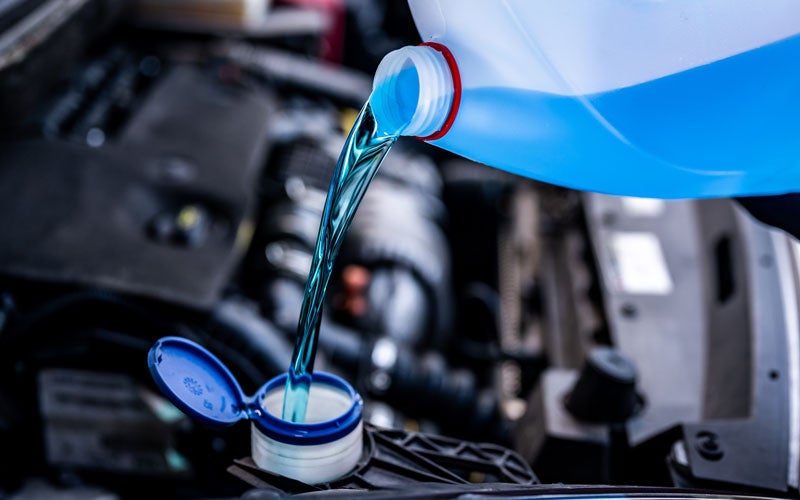
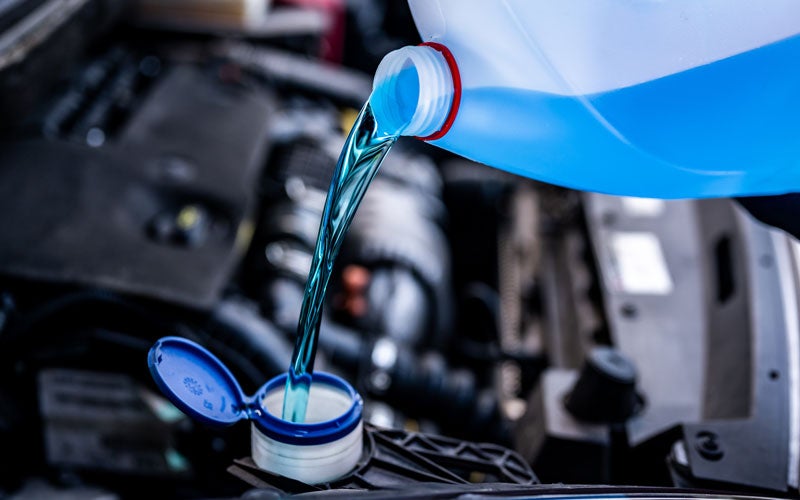
You know that your engine needs coolant, but do you really know why? Coolant is one of those maintenance essentials that often gets overlooked until something goes wrong. No matter if you drive a Nissan Rogue, Frontier, or Sentra in Del Rio, Texas, understanding your coolant can help you keep your engine running reliably for years to come. What Is Coolant? Coolant - also called antifreeze - is a liquid mixture that circulates through your engine to regulate temperature. It absorbs heat from the engine and carries it to the radiator, where it disperses before cycling back through again. Without it, your engine would overheat quickly and suffer serious damage. Most coolant is a blend of water and ethylene glycol, often with added corrosion inhibitors to protect metal components. What Does Coolant Do? Coolant serves more than one purpose. Yes, it prevents overheating, but it also keeps your engine from freezing in cold weather and protects internal parts from rust and corrosion. For drivers in Del Rio, TX, where summer temperatures can be extreme, having clean, properly mixed coolant is especially important. It helps your heating and cooling system work efficiently all year long. more What Types of Coolant Are There? Not all coolant is the same, and using the wrong type can cause problems. There are three main categories. Inorganic Additive Technology (IAT) is an older green-colored formula that typically needs to be replaced every two years or 30,000 miles. Organic Acid Technology (OAT) uses a longer-lasting formula and is common in many modern vehicles. HOAT - which stands for Hybrid Organic Acid Technology - combines the best traits of both IAT and OAT. HOAT coolant is commonly specified for Nissan vehicles and provides excellent protection against corrosion and temperature extremes. Always check your owner's manual to confirm which type your specific Nissan requires. Using the wrong formula can reduce effectiveness and may even damage seals or components over time. When Should You Flush or Refill Nissan Coolant? Most Nissan vehicles recommend a coolant flush every 50,000 to 60,000 miles, though some HOAT-based formulas may last longer under normal driving conditions. You should also pay attention to the color and clarity of your coolant. If it appears rusty, murky, or has visible particles, it is time for a flush regardless of mileage. Low coolant levels are another warning sign. If you're frequently topping off, there may be a leak in the system that needs attention. How Is a Coolant Flush or Refill Done? A coolant flush involves draining the old fluid from the system, flushing it with clean water or a flush solution, and then refilling with fresh coolant mixed to the correct ratio - usually 50 percent coolant and 50 percent distilled water. While some drivers handle top-offs themselves, a full flush is best left to a trained technician. Proper disposal of old coolant is also required, as it is toxic and harmful to the environment. Where to Get Nissan Coolant Service Keeping up with your Nissan's coolant needs isn't complicated. A certified service technician will use the right coolant formula for your specific model, inspect the cooling system for leaks or wear, and make sure everything is filled to the proper level. Protect Your Engine With the Right Nissan Coolant Care Understanding what coolant does and when to service it gives you a real advantage as a vehicle owner. From knowing the difference between OAT and HOAT formulas to recognizing when a flush is overdue, staying informed means fewer surprises down the road. Drivers throughout Del Rio, TX can visit our service team at Brown Nissan of Del Rio for expert Nissan cooling system care and honest guidance every step of the way.

Why Winter Maintenance is Important for Your Nissan 

Why Winter Maintenance is Important for Your Nissan

Even in Del Rio, Texas, winter temperatures can drop low enough to affect how your vehicle performs. Winter maintenance is one of the best ways to protect your vehicle and avoid unexpected breakdowns during the colder months. A little preparation goes a long way toward keeping your Nissan running reliably all season. Cold weather puts extra stress on several key vehicle systems - from the battery to the engine to the tires. Skipping seasonal upkeep can turn a minor issue into a much larger, more expensive problem. If you drive a Nissan Rogue, Frontier, Sentra, or any other model, a few simple checks can make a difference. Common Types of Winter Maintenance When it comes to winter maintenance, there are a handful of service items that are the most important. Checking your antifreeze level is one of the first things a technician will do. Antifreeze, also known as coolant, helps prevent the fluid in your engine from freezing in low temperatures and overheating when things warm back up. Without the right antifreeze concentration, your engine is at risk. more Battery health is another priority. Cold weather reduces a battery's ability to hold and deliver a charge, which is why many vehicles that seem fine in fall suddenly struggle to start in January. Having your battery tested before winter arrives is a smart, low-cost step. You should also keep an eye on your tire pressure. As temperatures drop, tire pressure naturally decreases - typically about one pound per square inch for every 10-degree drop in temperature. Properly inflated tires help maintain traction and handling. In addition to pressure, the condition of your wiper blades and the level of your washer fluid should be checked to ensure clear visibility on cold or wet mornings. What Happens If You Skip Winter Maintenance Neglecting winter maintenance doesn't just leave you stranded - it can lead to premature wear on critical components. If antifreeze levels are low or the coolant mixture is off, you risk serious engine damage that can be costly to repair. A weak battery that isn't replaced before winter can fail at the worst possible moment, leaving you without a working vehicle when you need it most. Underinflated tires reduce handling precision and can increase stopping distances, which is a safety concern on wet or cold roads. Over time, ignoring these seasonal checks can shorten the lifespan of components that would otherwise last much longer with routine care. Take Care of Your Nissan This Winter Winter maintenance is one of the simplest things you can do to protect the performance and longevity of your Nissan. From antifreeze and battery checks to tires and wipers, staying on top of seasonal service keeps you safe and helps you avoid larger repairs down the road. Stop by Brown Nissan of Del Rio to schedule your winter checkup today.

Why Is My Car Pulling to One Side? Signs You May Need a Tire Alignment

Why Is My Car Pulling to One Side? Signs You May Need a Tire Alignment

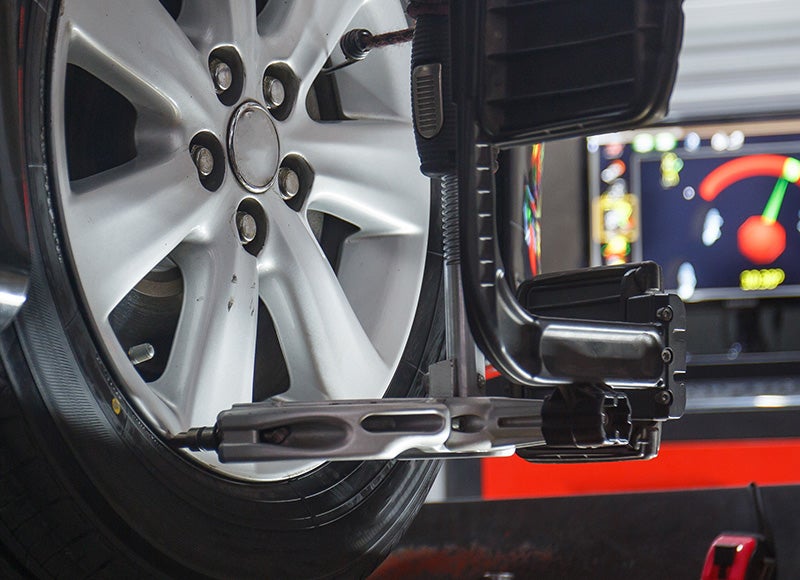
A vehicle that pulls to one side while driving can be more than a minor inconvenience. Uneven steering response, drifting on straight roads, or constant corrections behind the wheel may indicate an issue with your vehicle’s tire alignment. Proper alignment helps ensure that your Nissan’s wheels are positioned correctly according to manufacturer specifications, allowing the tires to maintain proper contact with the road. At Brown Nissan in Del Rio, TX, professional alignment services help drivers address handling concerns and maintain tire performance. Whether your vehicle has started pulling left or right, the issue may be related to alignment, tire condition, suspension components, or other factors that affect how your Nissan drives. What Does Tire Alignment Mean? Tire or wheel alignment, is the process of adjusting the angles of your vehicle’s wheels so they match Nissan’s recommended specifications. Alignment does not involve adjusting the tires themselves. Instead, technicians adjust suspension components that control how the wheels sit and interact with the road. more Proper alignment affects several important areas of vehicle performance, including: Steering response and control Tire contact with the road surface Even tire wear patterns Driving stability Overall handling performance When your wheels are properly aligned, your Nissan can maintain a straighter path with less effort from the driver. Misalignment can cause tires to work against each other, creating unnecessary wear and affecting the way your vehicle feels on the road. Common Reasons Your Car May Pull to One Side A vehicle pulling to one side can happen for several reasons. While tire alignment is one of the most common causes, other issues may contribute to uneven steering or handling concerns. Common causes include: Misaligned wheels: Wheels that are not positioned correctly can cause your Nissan to drift or pull while driving. Uneven tire pressure: Tires with different air pressure levels can create an imbalance that affects steering. Uneven tire wear: Tires worn more heavily on one side may impact vehicle tracking. Suspension issues: Worn or damaged suspension components can change wheel positioning. Brake problems: A sticking brake component can create resistance on one side of the vehicle. Road conditions: Sloped roads and uneven pavement can naturally cause slight pulling. A professional inspection can help determine whether alignment service or another repair is needed. Signs Your Nissan May Need a Wheel Alignment Many alignment problems develop gradually. Drivers may notice small changes in how their vehicle handles before the issue becomes more noticeable. Paying attention to these signs can help prevent additional tire wear and maintain comfortable driving. Look for these common indicators: Vehicle pulls left or right when driving on a straight road Steering wheel sits off-center while traveling straight Steering feels loose or requires frequent corrections Tires show uneven tread wear Vehicle feels unstable during highway driving Steering wheel vibrates under certain driving conditions If you notice any of these symptoms, scheduling an alignment inspection can help identify the cause and protect your tires from unnecessary wear. How Tire Alignment Affects Tire Life Your tires are designed to wear evenly across the tread surface. When alignment angles are incorrect, certain areas of the tire may experience more pressure than others. Over time, this can lead to uneven tread wear and reduce the lifespan of your tires. Proper alignment helps support: More consistent tire wear Better steering control Improved road contact Balanced handling characteristics More predictable vehicle performance Regular maintenance inspections allow technicians to identify alignment concerns before they create larger issues. This is especially important for drivers who frequently travel over rough roads, encounter potholes, or drive long distances. What Happens During a Nissan Alignment Service? A professional tire alignment service involves checking the current wheel angles and making adjustments as needed. Nissan service technicians use specialized equipment to measure alignment settings and compare them with manufacturer specifications. During an alignment inspection, technicians may evaluate: Camber angle, which affects how the tire sits vertically against the road Toe angle, which affects whether tires point inward or outward Caster angle, which influences steering stability and control Steering and suspension components Tire condition and inflation levels After adjustments are completed, your vehicle can return to a more balanced driving position with improved handling characteristics. Why Professional Nissan Service Matters Alignment settings vary by vehicle model, suspension design, and manufacturer requirements. A Nissan Rogue, Altima, Frontier, Pathfinder, or other Nissan model may require specific alignment measurements to maintain proper performance. Certified Nissan service professionals understand the engineering behind Nissan vehicles and use equipment designed to accurately diagnose tire and wheel concerns. Professional service can help ensure adjustments are made correctly while identifying other potential maintenance needs. Benefits of choosing a Nissan service center include: Technicians familiar with Nissan vehicles Access to manufacturer-specific service information Proper diagnostic equipment Assistance identifying related tire or suspension concerns Service recommendations based on your vehicle’s condition Maintaining proper alignment is an important part of protecting your Nissan’s handling and tire performance. Schedule Tire Alignment Service at Brown Nissan in Del Rio, TX If your Nissan is pulling to one side, the steering wheel is off-center, or your tires are wearing unevenly, Brown Nissan can help identify the cause. Professional alignment service supports better vehicle control and helps keep your tires working as intended. Drivers in Del Rio and surrounding areas can visit Brown Nissan for Nissan maintenance and tire services performed by a knowledgeable service team. Keeping your wheels properly aligned helps your Nissan continue delivering a comfortable and confident driving experience.

Genuine Nissan OEM Parts: Why Certified Parts Matter for Your Vehicle

Genuine Nissan OEM Parts: Why Certified Parts Matter for Your Vehicle

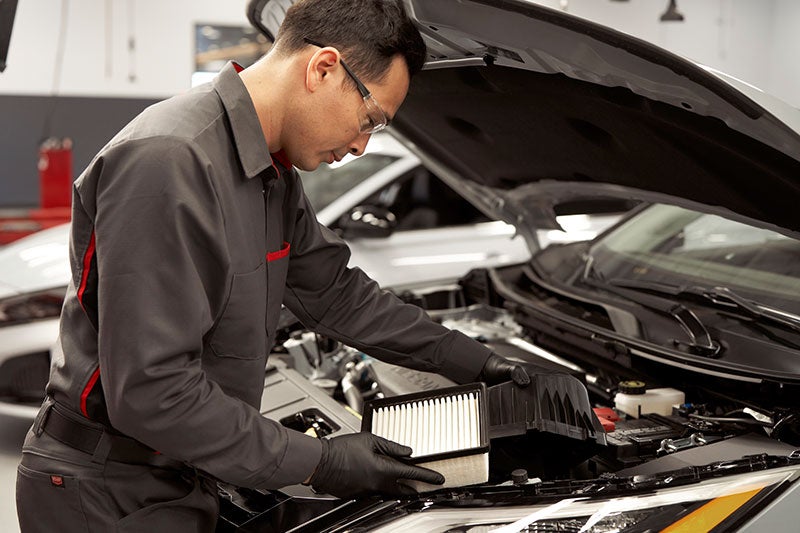
Maintaining a Nissan vehicle requires quality components designed to work with its specific engineering, technology, and performance systems. Whether replacing a worn component, completing routine maintenance, or repairing damage from everyday driving, the parts used during service can impact how a vehicle performs over time. Genuine Nissan OEM Parts are designed specifically for Nissan models, providing the fit, function, and reliability drivers expect from their vehicles. At Brown Nissan in Del Rio, TX, customers can find certified Nissan parts supported by a knowledgeable team familiar with Nissan vehicles. From filters and brake components to replacement parts and accessories, using manufacturer-approved components helps preserve the original design and capabilities of your Nissan. What Are Genuine Nissan OEM Parts? Genuine Nissan OEM Parts are components manufactured to meet Nissan’s exact specifications. OEM stands for Original Equipment Manufacturer, meaning these parts are built according to the same standards as the components originally installed in a Nissan vehicle. more Unlike aftermarket alternatives that are designed to fit multiple makes and models, Nissan OEM Parts are developed for specific Nissan vehicles. Engineers consider vehicle dimensions, performance requirements, safety systems, and compatibility when creating each component. Certified Nissan parts are commonly used for: Routine maintenance services Mechanical repairs Vehicle restoration after damage Replacement of worn components Nissan accessory installations Using parts created specifically for your vehicle helps ensure that each component works properly with the systems around it. Benefits of Choosing Nissan Certified Parts Every Nissan vehicle is built with carefully engineered systems that work together. A replacement part may appear similar to an original component, but differences in materials, construction, or design can affect long-term performance. Genuine Nissan parts provide several advantages for Nissan owners who want to maintain their vehicle’s condition and dependability. These components are tested to meet Nissan’s standards and are designed to integrate with the vehicle’s existing systems. Key benefits include: Precise fit and compatibility: OEM parts are designed for specific Nissan models, reducing concerns about improper fit or installation issues. Consistent quality: Nissan-certified components are manufactured with materials and specifications approved by the manufacturer. Reliable performance: Original equipment parts are designed to support the vehicle’s intended operation. Protection of vehicle systems: Properly matched components can help maintain the performance of connected systems. Professional service support: Nissan-trained technicians can identify and install the correct parts for your vehicle. Choosing the right replacement components can help maintain the driving experience Nissan owners expect. Genuine Nissan Parts vs. Aftermarket Alternatives When replacing a vehicle component, drivers often have several options. Aftermarket parts may be available for many repairs, but they are not always created with a specific Nissan model in mind. Some aftermarket manufacturers design parts to work across multiple vehicles, which can result in differences in fit, materials, or performance. Genuine Nissan OEM Parts are developed around Nissan’s original engineering requirements. They are created to work with the vehicle’s systems rather than simply match basic dimensions. Important differences between OEM and aftermarket parts include: OEM parts are designed specifically for Nissan vehicles. Aftermarket parts may be manufactured for broader vehicle compatibility. Genuine Nissan components follow manufacturer specifications. Certified parts help maintain consistency with the vehicle’s original design. Nissan technicians can verify the correct OEM component for your model. For drivers who want to preserve their Nissan’s quality and functionality, certified parts provide confidence during maintenance and repairs. Common Genuine Nissan Parts and Accessories Nissan vehicles require different replacement components throughout their ownership experience. Regular maintenance items help support dependable operation, while replacement parts address normal wear from daily driving. Brown Nissan offers access to a wide selection of Nissan parts for many models, including popular vehicles such as the Nissan Rogue, Altima, Sentra, Frontier, Pathfinder, Murano, and other Nissan models. Common Nissan OEM parts include: Engine air filters Cabin air filters Brake pads and rotors Batteries Wiper blades Spark plugs Belts and hoses Suspension components Exterior replacement parts Nissan accessories Using the correct parts for scheduled maintenance can help keep your vehicle operating as designed. Whether your Nissan needs a simple replacement item or a more involved repair component, selecting manufacturer-approved parts helps support lasting performance. Why Proper Parts Matter for Nissan Maintenance Routine maintenance is an important part of vehicle ownership. Nissan vehicles are designed with specific performance systems that depend on properly functioning components. A replacement part that does not meet the vehicle’s specifications may affect how different systems operate together. Certified Nissan parts help maintain consistency across important vehicle functions, including: Engine operation Braking performance Electrical systems Climate control functions Safety features Driving comfort Using the correct parts also allows technicians to complete repairs efficiently. When service professionals have access to accurate Nissan components, they can perform maintenance according to manufacturer guidelines. Find Genuine Nissan Parts at Brown Nissan in Del Rio, TX Drivers looking for Nissan OEM Parts can rely on Brown Nissan for access to certified components and expert assistance. The parts team understands Nissan vehicles and can help identify the correct component based on your vehicle’s year, model, and equipment. Whether you are completing regular maintenance or replacing a damaged part, choosing Genuine Nissan Parts helps support your vehicle’s original performance and reliability. Factory-approved components provide the compatibility and quality needed to keep your Nissan ready for the road. Visit Brown Nissan in Del Rio, TX, for assistance with finding the right Nissan-certified parts for your vehicle. The dealership’s team can help you locate the components needed for maintenance, repairs, and Nissan accessories.

NissanConnect: Features, Benefits, and Why Del Rio Drivers Love It 

NissanConnect: Features, Benefits, and Why Del Rio Drivers Love It

This built-in connected services platform is designed to keep you informed, in control, and comfortable every time you get behind the wheel. If you are commuting across Del Rio, TX, or heading out on a longer road trip, NissanConnect puts a suite of helpful tools right at your fingertips. We encourage you to reach out to Brown Nissan for more information regarding how this technology can improve your daily driving experience. What Is NissanConnect? NissanConnect is the connected vehicle platform from Nissan, available across much of the current lineup, including models like the Rogue, Altima, Sentra, and Frontier. It works through the built-in system of your vehicle and a companion Nissan app on your smartphone. Because of this integration, you receive access to car features from the driver seat or a parking lot across town. The platform is built to ensure that staying connected to your vehicle is simple and functional. more Remote Access and Vehicle Control One of the practical advantages of NissanConnect is the ability to control key vehicle functions remotely. Through the Nissan app, you can lock your doors, start your engine, and set the climate control before you reach the car. Cooling down your cabin before you climb in provides a noticeable improvement in comfort. You can also send destinations directly to your navigation system from your phone. This results in less fumbling with your touchscreen, allowing for more time focused on driving. Vehicle Health and Alerts NissanConnect also monitors your vehicle status. Through the platform, you can receive maintenance alerts and get reminders when it is time for service. Proactive monitoring helps you stay ahead of small issues. You can also set boundary and speed alerts, which is useful for families with younger drivers. If the vehicle travels outside a designated area or exceeds a set speed, you will get a notification on your phone. Finding Your Vehicle and Navigation Support If you forget where you parked, NissanConnect includes a vehicle locator feature that shows you exactly where your car is on a map. In-vehicle navigation provides real-time traffic updates, point-of-interest searches, and turn-by-turn directions. The system is designed to be easy to use, while keeping your focus firmly placed on the road. Wi-Fi Hotspot and Smartphone Integration For anyone who needs to stay connected, NissanConnect supports an available in-vehicle Wi-Fi hotspot. Passengers can connect their devices without using mobile data. NissanConnect also works with Apple CarPlay© and Android Auto© on compatible vehicles. You can access apps, music, and messages through the touchscreen. How to Get Started With the NissanConnect App Getting set up with NissanConnect is a straightforward process. You will create an account, pair it with your vehicle, and the full range of features becomes available. If you are a longtime Nissan owner or just picked up a new model from Brown Nissan in Del Rio, TX, the onboarding process is completely user-friendly. You can download the Nissan app to connect your vehicle today.

Nissan Key Fob: Features, Benefits, and How to Replace the Battery 

Nissan Key Fob: Features, Benefits, and How to Replace the Battery

Most vehicle technology falls into one of two categories. There is the technology drivers use every day, and there is the technology they only notice when it stops working. The Nissan key fob manages to be both. It sits in your pocket, purse, or cupholder and quietly handles dozens of interactions every week. Unlocking doors, starting the vehicle, opening the trunk, and activating remote functions all happen with a small device many drivers barely think about until the battery starts running low. A Key FOB is More Than Just a Remote At its most basic level, the Nissan key fob allows you to lock and unlock your vehicle remotely. Most modern Nissan models also include additional features such as remote trunk access, panic alarm functions, and available remote engine start. more Many vehicles equipped with Nissan Intelligent Key® technology take convenience a step further. As long as the key fob is nearby, the vehicle can recognize its presence and allow you to unlock the doors and start the engine without ever removing the fob from your pocket or bag. It is a straightforward feature, but one that quickly becomes second nature. Intelligent Key Technology Makes Everyday Driving Easier The best automotive technology solves small problems before they become inconveniences. Nissan's Intelligent Key® system does exactly that. Carrying groceries, managing a busy schedule, or simply trying to get out of the Texas heat becomes easier when you can unlock and start your vehicle without searching for a traditional key. Remote start is another popular feature available on many Nissan models. During hot Del Rio summers, being able to cool the cabin before stepping inside is a benefit drivers appreciate almost immediately. Some models also allow select window functions to be operated remotely, helping release trapped heat before you enter the vehicle. Security Is Built into the System Convenience is important, but security remains equally critical. Nissan key fobs use encrypted rolling-code technology that changes the signal after each use. This helps prevent unauthorized duplication and adds an additional layer of protection for the vehicle. For most owners, it is security operating in the background, which is exactly how it should be. Replacing the Battery Is Usually Simple Like any battery-powered device, the key fob battery eventually reaches the end of its service life. Common signs include reduced operating range, inconsistent button response, or needing multiple button presses before the vehicle reacts. Fortunately, replacing the battery is usually straightforward. Most Nissan key fobs use a CR2032 coin-cell battery. The mechanical key can typically be removed first, allowing the fob housing to be opened carefully. Once inside, the old battery can be replaced with a new one installed in the same orientation. After reassembling the fob, all functions should be tested to confirm proper operation. Checking your owner's manual first is always recommended, as battery specifications can vary by model. When a New Battery Doesn't Solve the Problem Occasionally, a key fob issue involves more than a weak battery. Programming concerns, internal electronic damage, or wear caused by drops and moisture exposure can prevent the fob from functioning properly. If a battery replacement does not restore normal operation, professional diagnosis may be necessary. Many Nissan models can be reprogrammed when needed, while severely damaged fobs may require replacement. Get Help with Your Nissan Key Fob in Del Rio, TX A Nissan key fob is a small piece of technology that plays a surprisingly large role in everyday ownership. Understanding its features, knowing how to replace the battery, and recognizing early warning signs can help prevent unnecessary frustration. Drivers throughout Del Rio, TX can turn to Brown Nissan of Del Rio for key fob replacement, programming assistance, battery service, and expert support for Nissan vehicles. Whether your key fob needs a simple battery change or a complete replacement, the team is ready to help keep you connected to your vehicle.

Is an Oil Leak Serious? What Every Driver Should Know 

Is an Oil Leak Serious? What Every Driver Should Know

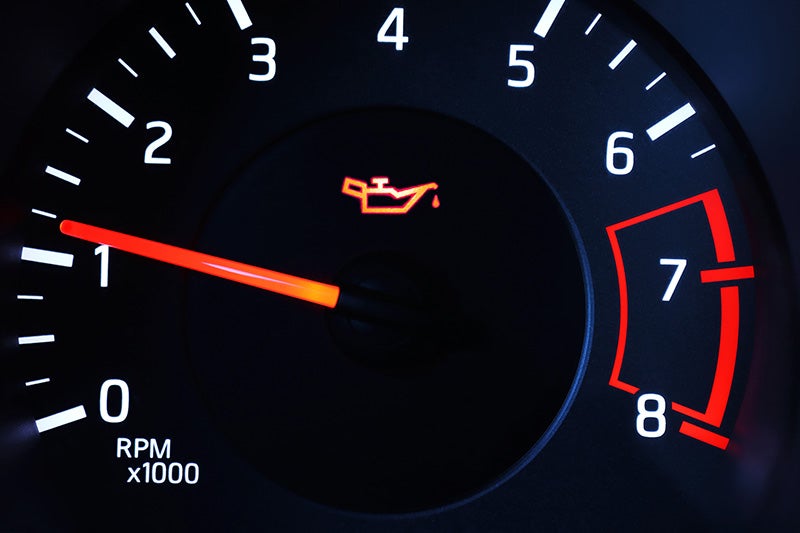
An oil leak can start small, but it should never be ignored. If you notice a dark puddle under your vehicle, a burning smell while driving, or a low oil level, the service team at Brown Nissan of Del Rio in Del Rio, TX, can help inspect the issue. Engine oil protects moving parts and helps control heat, so even a minor leak can lead to serious engine damage if it is not repaired. Oil is an important part of the engine. It keeps parts moving and helps manage heat. When oil escapes, these systems begin to break down, and the situation gets worse over time. How to Know If You Have an Oil Leak A common sign of an oil leak is finding oil under a car after it is parked. Fresh engine oil is amber or light brown. Older oil looks darker and thicker. A spot on a driveway or garage floor is a signal that the car needs service. Other warning signs include a low oil level on the dipstick or a burning smell while driving. Bluish smoke might come from the engine area. The oil pressure warning light may also turn on. Drivers should not ignore these signs even if the puddle is small. What to Do If You Have an Oil Leak The first step is to check the oil level. If the level is low, add the correct oil type. Adding oil is a temporary step and is not a fix. The driver must find the source of the leak and repair it. Drivers should not travel long distances with an oil leak. Running an engine with low oil causes internal damage. This includes worn bearings or a seized engine. If a driver in the Del Rio, TX, area sees oil under their car, they should get a professional inspection. Finding an Oil Leak Finding the source of a leak is not always easy. Oil travels along parts before it drips down. A technician cleans the engine area and uses tools to trace the leak. Common steps include checking the oil drain plug and the valve cover. The technician also looks at the oil pan and various seals. Professional help is necessary to find the leak and prevent more damage. Common Leak Sources A leaking valve cover gasket is a frequent issue. This happens as the part ages and cannot form a seal. Oil may drip onto hot parts and create a smell. The oil pan gasket is at the bottom of the engine. It can fail due to age or road debris. A loose oil drain plug also causes leaks. This often happens if the plug is not tight after an oil change. Rear main seals and timing cover gaskets are harder to fix. The risk of an oil leak depends on how fast the driver acts. If you suspect an oil leak, schedule service with Brown Nissan of Del Rio before the problem gets worse. Our technicians can inspect the engine, locate the source of the leak, and recommend the proper repair. Addressing an oil leak early helps protect your vehicle’s engine and gives you more confidence on the road in Del Rio, TX.

2026 Nissan Sentra Trims Explained: What Each Level Includes 

2026 Nissan Sentra Trims Explained: What Each Level Includes

The 2026 Nissan Sentra trims give Del Rio, TX drivers several practical options in a compact sedan with useful technology, standard safety features, and everyday comfort. Available at Brown Nissan of Del Rio, the Sentra lineup includes the S, SV, and SR, each offering a different mix of connectivity, convenience, and style. Use this guide to compare the Sentra trims before scheduling a test drive. Overview of the 2026 Nissan Sentra Features The 2026 Sentra uses a 2.0 L 4-cylinder engine for all trim levels. This engine provides 149 hp and 146 lb-ft of torque. The car features a front-wheel drive system and a continuously variable transmission. Every model includes Nissan Safety Shield 360 as a standard feature, and this suite provides several driver assistance technologies. The Sentra S Trim The S trim is the first level in the 2026 Sentra lineup. It features 16" steel wheels with full covers. The interior includes a 7" touch-screen display for various functions. This system is compatible with Apple CarPlay® and Android Auto® software. This trim provides the basic features required for daily transportation. The Sentra SV Trim The SV trim adds more technology and comfort to the vehicle. It features 16" aluminum-alloy wheels and an 8" touch-screen display. The audio system has 6 speakers, and the cabin includes 2 USB ports and 1 USB-C port. This trim is a middle option for those who want more connectivity features. The Sentra SR Trim The SR trim is the highest level for the 2026 model. It comes with 18" aluminum-alloy wheels and a rear spoiler. The interior features sport cloth seats with orange stitching. It also uses the 8" touch-screen display with Apple CarPlay® and Android Auto® integration. This trim focuses on a sporty appearance and additional equipment. Selecting the Correct Trim Level Drivers can choose a trim based on their specific needs for technology or style. The S trim offers standard utility, while the SV trim provides a larger screen. The SR trim features the largest wheels and a unique exterior design. All trims use the same 2.0 L engine to provide power for the car. If you are interested in the 2026 Nissan Sentra, Brown Nissan of Del Rio can help you compare each trim level and review current availability. Visit the dealership in Del Rio, TX, or explore the online inventory to find a Sentra model that fits your driving needs, budget, and feature preferences.

2026 Nissan Rogue: The Best SUV of 2026  

2026 Nissan Rogue: The Best SUV of 2026

There is a sense of restraint in the 2026 Nissan Rogue. Clean lines. Controlled surfaces. Nothing exaggerated. It feels designed with intention, not excess. In Del Rio, TX, where daily driving shifts from city streets to open highways without warning, that balance becomes useful very quickly. The Rogue does not try too hard. It simply gets the fundamentals right. Turbocharged Efficiency and Balanced Power Delivery The Rogue continues with its 1.5L VC-Turbo engine, producing 201 hp and 225 lbs. ft. of torque. It is a compact engine with a clever approach to performance. Power builds smoothly, which suits both city traffic and longer drives across Texas highways. more Fuel efficiency remains a key strength, but it does not come at the expense of usable power. With a towing capacity of up to 1,500 lbs., the Rogue handles small trailers and weekend gear without strain. The overall driving experience feels composed, which is exactly what a vehicle in this class should deliver. Intelligent Driver Assistance in the 2026 Nissan Rogue Technology in the Rogue is integrated with a clear purpose. Nissan ProPILOT Assist combined adaptive cruise control with steering support and now works with navigation data to anticipate changes in traffic flow. It reduces fatigue on longer drives without feeling intrusive. The available 12.3-inch touchscreen brings a crisp, responsive interface. Wireless Apple CarPlay and Android Auto keep the cabin free of clutter while maintaining full connectivity. A fully digital driver display allows key information to sit directly in view, reducing the need to shift attention away from the road. Interior Packaging and Cargo Flexibility Inside, the Rogue leans toward simplicity and usability. Seating for 5 is supported by thoughtful spacing, particularly in the second row where legroom feels generous for the segment. Materials improve as you move through the trims, with available quilted leather and ambient lighting creating a more refined environment. Cargo capacity reaches 36.5 cu. ft., supported by the Divide-N-Hide system. This layout allows the space to be configured depending on what you carry. Groceries, luggage, or outdoor gear all fit without compromise. The available hands-free liftgate adds convenience in situations where access needs to be quick and effortless. All-Weather Capability and Road Confidence Available AWD adds a layer of confidence that suits the changing conditions around Del Rio. The system responds quickly to traction changes, helping maintain stability on wet roads or loose surfaces. It does not transform the Rogue into an off-road machine, but it provides the assurance most drivers need. Ride quality remains smooth and controlled. The suspension absorbs imperfections without isolating the driver completely, which keeps the driving experience connected and predictable. 2026 Nissan Rogue Trims The Rogue lineup is structured with clarity. The S trim delivers essential functionality with modern safety and connectivity. SV builds on that with additional driver-assistance features and convenience upgrades that suit daily use. SL introduces a more premium interior and expanded technology, shifting the focus toward comfort. Platinum sits at the top with the most refined materials and advanced features available. The Rock Creek edition adds a different character, with all-terrain tires and a more rugged visual identity. It is designed for drivers who want a slightly more adventurous look without stepping outside the Rogue’s core strengths. The 2026 Nissan Rogue is defined by thoughtful design and practical execution. It delivers efficiency, technology, and comfort in a way that feels cohesive rather than forced. At Brown Nissan of Del Rio in Del Rio, TX, the Rogue presents itself as a well-resolved SUV, built for real use and everyday consistency.

Understanding Your Vehicle's Transmission System 

Understanding Your Vehicle's Transmission System

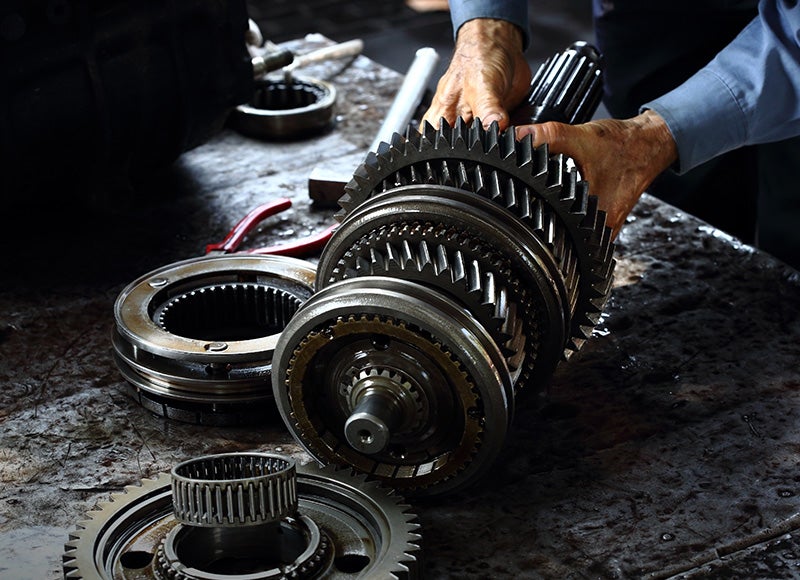
If the engine is the muscle, the transmission is the part that actually makes that muscle useful. It takes all that spinning force and turns it into something your wheels can use. Smooth acceleration, steady cruising, controlled power delivery. That is all transmission work. Ignore it, and things get expensive fast. Types of Transmission Fluid Transmission fluid is not one-size-fits-all. Each system is built with a specific type of fluid in mind, and using the wrong one can cause real problems. more Automatic Transmission Fluid (ATF): This is the most common. It handles lubrication, cooling, and hydraulic pressure so gears shift cleanly and consistently. Manual Transmission Fluid: Thicker and built for gear-on-gear contact. It reduces wear and helps maintain smooth engagement over time. Synthetic Transmission Fluid: Designed to hold up under higher temperatures and longer service intervals. A solid choice for modern vehicles or demanding conditions. Continuously Variable Transmission (CVT) Fluid: Engineered specifically for CVT systems. These transmissions rely on precise friction characteristics, and the wrong fluid can disrupt how they operate. If there is any doubt, the safest move is to follow the manufacturer’s recommendation or check with Brown Nissan of Del Rio. It is not the place to guess. How Often Should You Schedule Service? Service intervals vary, but there are some solid guidelines. Automatic transmissions typically need attention somewhere between 30,000 and 60,000 miles. Manual transmissions often fall closer to 30,000 miles. Driving conditions matter. Towing, high temperatures, and stop-and-go traffic all put extra strain on the system. In a place like Del Rio, heat alone can shorten fluid life. A proper service often includes a fluid exchange. Old fluid comes out, fresh fluid goes in, and the system gets a reset. It is straightforward maintenance that helps avoid major repairs later. Signs Your Transmission Needs Attention Transmissions tend to give warnings before they fail. The trick is paying attention early. Delayed Gear Engagement: You shift, and the vehicle hesitates before responding. That usually points to worn or low fluid. Unusual Noises: Whining or grinding sounds often signal contamination or internal wear. Burning Smell: Overheated fluid breaks down and gives off a burnt odor. That is a clear sign something is not right. Leaking Fluid: Red, blue or purple fluid under the vehicle means the system is losing what it needs to function. Dashboard Warning Light: Modern systems monitor performance. If a light comes on, it is worth checking immediately. Transmission service is not complicated, but it does require the right approach. Correct fluid, proper intervals, and attention to early warning signs all play a role in keeping the system working as intended. At Brown Nissan of Del Rio, service teams focus on the details that keep transmissions operating smoothly. Fluid condition, system performance, and overall drivability are all part of the process, so small issues are handled before they turn into major repairs.

Contact Us

Fill out this form below and we'll contact you shortly
*Required Fields