Brown Nissan of Del Rio

Blog / Del Rio Nissan Service

Blog

All Del Rio Nissan Service Del Rio Nissan Dealer Brown Nissan of Del Rio Service 2026 2026 Frontier 2026 Rogue Alignment Coolant Del Rio Used Cars Nissan EV Parts Sentra Technology Towing Winter Maintenance
Nissan Coolant FAQ: What It Is, Types, and When to Flush or Refill 

Nissan Coolant FAQ: What It Is, Types, and When to Flush or Refill

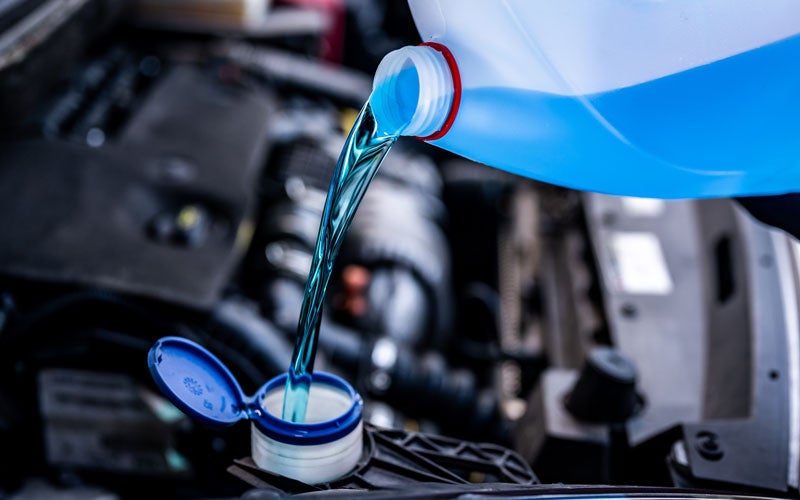
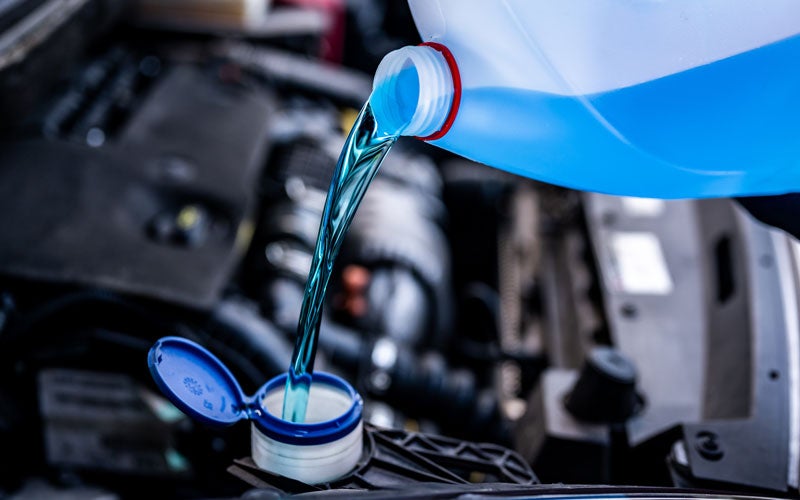
You know that your engine needs coolant, but do you really know why? Coolant is one of those maintenance essentials that often gets overlooked until something goes wrong. No matter if you drive a Nissan Rogue, Frontier, or Sentra in Del Rio, Texas, understanding your coolant can help you keep your engine running reliably for years to come. What Is Coolant? Coolant - also called antifreeze - is a liquid mixture that circulates through your engine to regulate temperature. It absorbs heat from the engine and carries it to the radiator, where it disperses before cycling back through again. Without it, your engine would overheat quickly and suffer serious damage. Most coolant is a blend of water and ethylene glycol, often with added corrosion inhibitors to protect metal components. What Does Coolant Do? Coolant serves more than one purpose. Yes, it prevents overheating, but it also keeps your engine from freezing in cold weather and protects internal parts from rust and corrosion. For drivers in Del Rio, TX, where summer temperatures can be extreme, having clean, properly mixed coolant is especially important. It helps your heating and cooling system work efficiently all year long. more What Types of Coolant Are There? Not all coolant is the same, and using the wrong type can cause problems. There are three main categories. Inorganic Additive Technology (IAT) is an older green-colored formula that typically needs to be replaced every two years or 30,000 miles. Organic Acid Technology (OAT) uses a longer-lasting formula and is common in many modern vehicles. HOAT - which stands for Hybrid Organic Acid Technology - combines the best traits of both IAT and OAT. HOAT coolant is commonly specified for Nissan vehicles and provides excellent protection against corrosion and temperature extremes. Always check your owner's manual to confirm which type your specific Nissan requires. Using the wrong formula can reduce effectiveness and may even damage seals or components over time. When Should You Flush or Refill Nissan Coolant? Most Nissan vehicles recommend a coolant flush every 50,000 to 60,000 miles, though some HOAT-based formulas may last longer under normal driving conditions. You should also pay attention to the color and clarity of your coolant. If it appears rusty, murky, or has visible particles, it is time for a flush regardless of mileage. Low coolant levels are another warning sign. If you're frequently topping off, there may be a leak in the system that needs attention. How Is a Coolant Flush or Refill Done? A coolant flush involves draining the old fluid from the system, flushing it with clean water or a flush solution, and then refilling with fresh coolant mixed to the correct ratio - usually 50 percent coolant and 50 percent distilled water. While some drivers handle top-offs themselves, a full flush is best left to a trained technician. Proper disposal of old coolant is also required, as it is toxic and harmful to the environment. Where to Get Nissan Coolant Service Keeping up with your Nissan's coolant needs isn't complicated. A certified service technician will use the right coolant formula for your specific model, inspect the cooling system for leaks or wear, and make sure everything is filled to the proper level. Protect Your Engine With the Right Nissan Coolant Care Understanding what coolant does and when to service it gives you a real advantage as a vehicle owner. From knowing the difference between OAT and HOAT formulas to recognizing when a flush is overdue, staying informed means fewer surprises down the road. Drivers throughout Del Rio, TX can visit our service team at Brown Nissan of Del Rio for expert Nissan cooling system care and honest guidance every step of the way.

Why Winter Maintenance is Important for Your Nissan 

Why Winter Maintenance is Important for Your Nissan

Even in Del Rio, Texas, winter temperatures can drop low enough to affect how your vehicle performs. Winter maintenance is one of the best ways to protect your vehicle and avoid unexpected breakdowns during the colder months. A little preparation goes a long way toward keeping your Nissan running reliably all season. Cold weather puts extra stress on several key vehicle systems - from the battery to the engine to the tires. Skipping seasonal upkeep can turn a minor issue into a much larger, more expensive problem. If you drive a Nissan Rogue, Frontier, Sentra, or any other model, a few simple checks can make a difference. Common Types of Winter Maintenance When it comes to winter maintenance, there are a handful of service items that are the most important. Checking your antifreeze level is one of the first things a technician will do. Antifreeze, also known as coolant, helps prevent the fluid in your engine from freezing in low temperatures and overheating when things warm back up. Without the right antifreeze concentration, your engine is at risk. more Battery health is another priority. Cold weather reduces a battery's ability to hold and deliver a charge, which is why many vehicles that seem fine in fall suddenly struggle to start in January. Having your battery tested before winter arrives is a smart, low-cost step. You should also keep an eye on your tire pressure. As temperatures drop, tire pressure naturally decreases - typically about one pound per square inch for every 10-degree drop in temperature. Properly inflated tires help maintain traction and handling. In addition to pressure, the condition of your wiper blades and the level of your washer fluid should be checked to ensure clear visibility on cold or wet mornings. What Happens If You Skip Winter Maintenance Neglecting winter maintenance doesn't just leave you stranded - it can lead to premature wear on critical components. If antifreeze levels are low or the coolant mixture is off, you risk serious engine damage that can be costly to repair. A weak battery that isn't replaced before winter can fail at the worst possible moment, leaving you without a working vehicle when you need it most. Underinflated tires reduce handling precision and can increase stopping distances, which is a safety concern on wet or cold roads. Over time, ignoring these seasonal checks can shorten the lifespan of components that would otherwise last much longer with routine care. Take Care of Your Nissan This Winter Winter maintenance is one of the simplest things you can do to protect the performance and longevity of your Nissan. From antifreeze and battery checks to tires and wipers, staying on top of seasonal service keeps you safe and helps you avoid larger repairs down the road. Stop by Brown Nissan of Del Rio to schedule your winter checkup today.

Why Is My Car Pulling to One Side? Signs You May Need a Tire Alignment

Why Is My Car Pulling to One Side? Signs You May Need a Tire Alignment

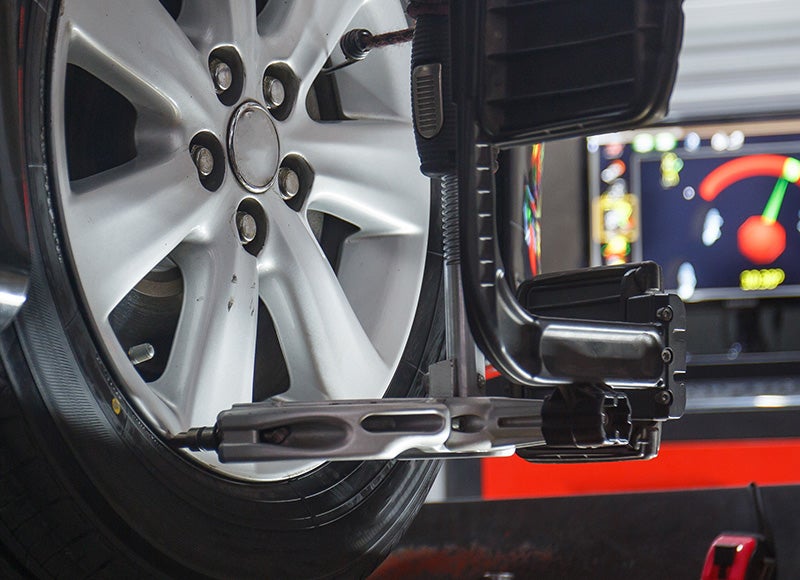
A vehicle that pulls to one side while driving can be more than a minor inconvenience. Uneven steering response, drifting on straight roads, or constant corrections behind the wheel may indicate an issue with your vehicle’s tire alignment. Proper alignment helps ensure that your Nissan’s wheels are positioned correctly according to manufacturer specifications, allowing the tires to maintain proper contact with the road. At Brown Nissan in Del Rio, TX, professional alignment services help drivers address handling concerns and maintain tire performance. Whether your vehicle has started pulling left or right, the issue may be related to alignment, tire condition, suspension components, or other factors that affect how your Nissan drives. What Does Tire Alignment Mean? Tire or wheel alignment, is the process of adjusting the angles of your vehicle’s wheels so they match Nissan’s recommended specifications. Alignment does not involve adjusting the tires themselves. Instead, technicians adjust suspension components that control how the wheels sit and interact with the road. more Proper alignment affects several important areas of vehicle performance, including: Steering response and control Tire contact with the road surface Even tire wear patterns Driving stability Overall handling performance When your wheels are properly aligned, your Nissan can maintain a straighter path with less effort from the driver. Misalignment can cause tires to work against each other, creating unnecessary wear and affecting the way your vehicle feels on the road. Common Reasons Your Car May Pull to One Side A vehicle pulling to one side can happen for several reasons. While tire alignment is one of the most common causes, other issues may contribute to uneven steering or handling concerns. Common causes include: Misaligned wheels: Wheels that are not positioned correctly can cause your Nissan to drift or pull while driving. Uneven tire pressure: Tires with different air pressure levels can create an imbalance that affects steering. Uneven tire wear: Tires worn more heavily on one side may impact vehicle tracking. Suspension issues: Worn or damaged suspension components can change wheel positioning. Brake problems: A sticking brake component can create resistance on one side of the vehicle. Road conditions: Sloped roads and uneven pavement can naturally cause slight pulling. A professional inspection can help determine whether alignment service or another repair is needed. Signs Your Nissan May Need a Wheel Alignment Many alignment problems develop gradually. Drivers may notice small changes in how their vehicle handles before the issue becomes more noticeable. Paying attention to these signs can help prevent additional tire wear and maintain comfortable driving. Look for these common indicators: Vehicle pulls left or right when driving on a straight road Steering wheel sits off-center while traveling straight Steering feels loose or requires frequent corrections Tires show uneven tread wear Vehicle feels unstable during highway driving Steering wheel vibrates under certain driving conditions If you notice any of these symptoms, scheduling an alignment inspection can help identify the cause and protect your tires from unnecessary wear. How Tire Alignment Affects Tire Life Your tires are designed to wear evenly across the tread surface. When alignment angles are incorrect, certain areas of the tire may experience more pressure than others. Over time, this can lead to uneven tread wear and reduce the lifespan of your tires. Proper alignment helps support: More consistent tire wear Better steering control Improved road contact Balanced handling characteristics More predictable vehicle performance Regular maintenance inspections allow technicians to identify alignment concerns before they create larger issues. This is especially important for drivers who frequently travel over rough roads, encounter potholes, or drive long distances. What Happens During a Nissan Alignment Service? A professional tire alignment service involves checking the current wheel angles and making adjustments as needed. Nissan service technicians use specialized equipment to measure alignment settings and compare them with manufacturer specifications. During an alignment inspection, technicians may evaluate: Camber angle, which affects how the tire sits vertically against the road Toe angle, which affects whether tires point inward or outward Caster angle, which influences steering stability and control Steering and suspension components Tire condition and inflation levels After adjustments are completed, your vehicle can return to a more balanced driving position with improved handling characteristics. Why Professional Nissan Service Matters Alignment settings vary by vehicle model, suspension design, and manufacturer requirements. A Nissan Rogue, Altima, Frontier, Pathfinder, or other Nissan model may require specific alignment measurements to maintain proper performance. Certified Nissan service professionals understand the engineering behind Nissan vehicles and use equipment designed to accurately diagnose tire and wheel concerns. Professional service can help ensure adjustments are made correctly while identifying other potential maintenance needs. Benefits of choosing a Nissan service center include: Technicians familiar with Nissan vehicles Access to manufacturer-specific service information Proper diagnostic equipment Assistance identifying related tire or suspension concerns Service recommendations based on your vehicle’s condition Maintaining proper alignment is an important part of protecting your Nissan’s handling and tire performance. Schedule Tire Alignment Service at Brown Nissan in Del Rio, TX If your Nissan is pulling to one side, the steering wheel is off-center, or your tires are wearing unevenly, Brown Nissan can help identify the cause. Professional alignment service supports better vehicle control and helps keep your tires working as intended. Drivers in Del Rio and surrounding areas can visit Brown Nissan for Nissan maintenance and tire services performed by a knowledgeable service team. Keeping your wheels properly aligned helps your Nissan continue delivering a comfortable and confident driving experience.

Nissan Key Fob: Features, Benefits, and How to Replace the Battery 

Nissan Key Fob: Features, Benefits, and How to Replace the Battery

Most vehicle technology falls into one of two categories. There is the technology drivers use every day, and there is the technology they only notice when it stops working. The Nissan key fob manages to be both. It sits in your pocket, purse, or cupholder and quietly handles dozens of interactions every week. Unlocking doors, starting the vehicle, opening the trunk, and activating remote functions all happen with a small device many drivers barely think about until the battery starts running low. A Key FOB is More Than Just a Remote At its most basic level, the Nissan key fob allows you to lock and unlock your vehicle remotely. Most modern Nissan models also include additional features such as remote trunk access, panic alarm functions, and available remote engine start. more Many vehicles equipped with Nissan Intelligent Key® technology take convenience a step further. As long as the key fob is nearby, the vehicle can recognize its presence and allow you to unlock the doors and start the engine without ever removing the fob from your pocket or bag. It is a straightforward feature, but one that quickly becomes second nature. Intelligent Key Technology Makes Everyday Driving Easier The best automotive technology solves small problems before they become inconveniences. Nissan's Intelligent Key® system does exactly that. Carrying groceries, managing a busy schedule, or simply trying to get out of the Texas heat becomes easier when you can unlock and start your vehicle without searching for a traditional key. Remote start is another popular feature available on many Nissan models. During hot Del Rio summers, being able to cool the cabin before stepping inside is a benefit drivers appreciate almost immediately. Some models also allow select window functions to be operated remotely, helping release trapped heat before you enter the vehicle. Security Is Built into the System Convenience is important, but security remains equally critical. Nissan key fobs use encrypted rolling-code technology that changes the signal after each use. This helps prevent unauthorized duplication and adds an additional layer of protection for the vehicle. For most owners, it is security operating in the background, which is exactly how it should be. Replacing the Battery Is Usually Simple Like any battery-powered device, the key fob battery eventually reaches the end of its service life. Common signs include reduced operating range, inconsistent button response, or needing multiple button presses before the vehicle reacts. Fortunately, replacing the battery is usually straightforward. Most Nissan key fobs use a CR2032 coin-cell battery. The mechanical key can typically be removed first, allowing the fob housing to be opened carefully. Once inside, the old battery can be replaced with a new one installed in the same orientation. After reassembling the fob, all functions should be tested to confirm proper operation. Checking your owner's manual first is always recommended, as battery specifications can vary by model. When a New Battery Doesn't Solve the Problem Occasionally, a key fob issue involves more than a weak battery. Programming concerns, internal electronic damage, or wear caused by drops and moisture exposure can prevent the fob from functioning properly. If a battery replacement does not restore normal operation, professional diagnosis may be necessary. Many Nissan models can be reprogrammed when needed, while severely damaged fobs may require replacement. Get Help with Your Nissan Key Fob in Del Rio, TX A Nissan key fob is a small piece of technology that plays a surprisingly large role in everyday ownership. Understanding its features, knowing how to replace the battery, and recognizing early warning signs can help prevent unnecessary frustration. Drivers throughout Del Rio, TX can turn to Brown Nissan of Del Rio for key fob replacement, programming assistance, battery service, and expert support for Nissan vehicles. Whether your key fob needs a simple battery change or a complete replacement, the team is ready to help keep you connected to your vehicle.

Is an Oil Leak Serious? What Every Driver Should Know 

Is an Oil Leak Serious? What Every Driver Should Know

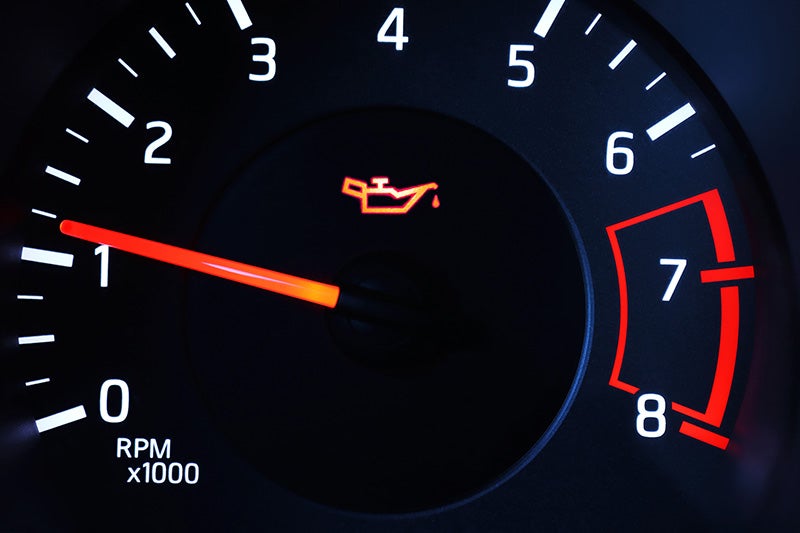
An oil leak can start small, but it should never be ignored. If you notice a dark puddle under your vehicle, a burning smell while driving, or a low oil level, the service team at Brown Nissan of Del Rio in Del Rio, TX, can help inspect the issue. Engine oil protects moving parts and helps control heat, so even a minor leak can lead to serious engine damage if it is not repaired. Oil is an important part of the engine. It keeps parts moving and helps manage heat. When oil escapes, these systems begin to break down, and the situation gets worse over time. How to Know If You Have an Oil Leak A common sign of an oil leak is finding oil under a car after it is parked. Fresh engine oil is amber or light brown. Older oil looks darker and thicker. A spot on a driveway or garage floor is a signal that the car needs service. Other warning signs include a low oil level on the dipstick or a burning smell while driving. Bluish smoke might come from the engine area. The oil pressure warning light may also turn on. Drivers should not ignore these signs even if the puddle is small. What to Do If You Have an Oil Leak The first step is to check the oil level. If the level is low, add the correct oil type. Adding oil is a temporary step and is not a fix. The driver must find the source of the leak and repair it. Drivers should not travel long distances with an oil leak. Running an engine with low oil causes internal damage. This includes worn bearings or a seized engine. If a driver in the Del Rio, TX, area sees oil under their car, they should get a professional inspection. Finding an Oil Leak Finding the source of a leak is not always easy. Oil travels along parts before it drips down. A technician cleans the engine area and uses tools to trace the leak. Common steps include checking the oil drain plug and the valve cover. The technician also looks at the oil pan and various seals. Professional help is necessary to find the leak and prevent more damage. Common Leak Sources A leaking valve cover gasket is a frequent issue. This happens as the part ages and cannot form a seal. Oil may drip onto hot parts and create a smell. The oil pan gasket is at the bottom of the engine. It can fail due to age or road debris. A loose oil drain plug also causes leaks. This often happens if the plug is not tight after an oil change. Rear main seals and timing cover gaskets are harder to fix. The risk of an oil leak depends on how fast the driver acts. If you suspect an oil leak, schedule service with Brown Nissan of Del Rio before the problem gets worse. Our technicians can inspect the engine, locate the source of the leak, and recommend the proper repair. Addressing an oil leak early helps protect your vehicle’s engine and gives you more confidence on the road in Del Rio, TX.

Understanding Your Vehicle's Transmission System 

Understanding Your Vehicle's Transmission System

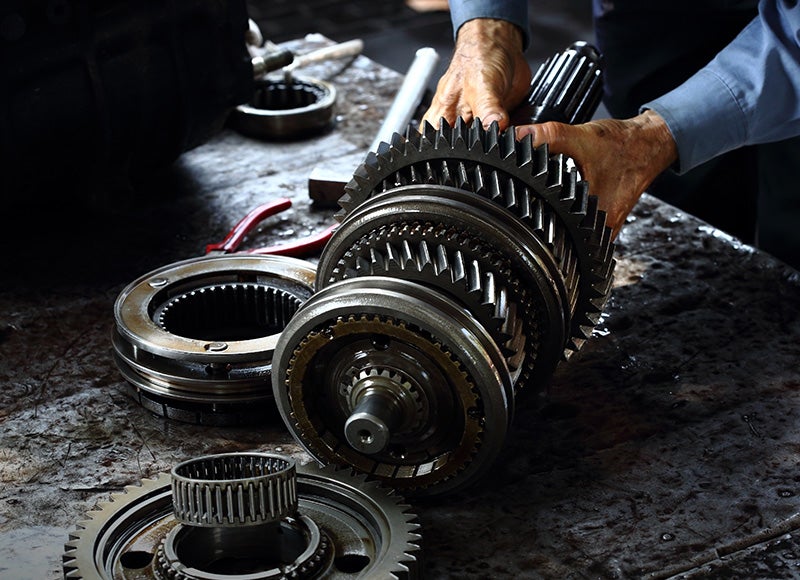
If the engine is the muscle, the transmission is the part that actually makes that muscle useful. It takes all that spinning force and turns it into something your wheels can use. Smooth acceleration, steady cruising, controlled power delivery. That is all transmission work. Ignore it, and things get expensive fast. Types of Transmission Fluid Transmission fluid is not one-size-fits-all. Each system is built with a specific type of fluid in mind, and using the wrong one can cause real problems. more Automatic Transmission Fluid (ATF): This is the most common. It handles lubrication, cooling, and hydraulic pressure so gears shift cleanly and consistently. Manual Transmission Fluid: Thicker and built for gear-on-gear contact. It reduces wear and helps maintain smooth engagement over time. Synthetic Transmission Fluid: Designed to hold up under higher temperatures and longer service intervals. A solid choice for modern vehicles or demanding conditions. Continuously Variable Transmission (CVT) Fluid: Engineered specifically for CVT systems. These transmissions rely on precise friction characteristics, and the wrong fluid can disrupt how they operate. If there is any doubt, the safest move is to follow the manufacturer’s recommendation or check with Brown Nissan of Del Rio. It is not the place to guess. How Often Should You Schedule Service? Service intervals vary, but there are some solid guidelines. Automatic transmissions typically need attention somewhere between 30,000 and 60,000 miles. Manual transmissions often fall closer to 30,000 miles. Driving conditions matter. Towing, high temperatures, and stop-and-go traffic all put extra strain on the system. In a place like Del Rio, heat alone can shorten fluid life. A proper service often includes a fluid exchange. Old fluid comes out, fresh fluid goes in, and the system gets a reset. It is straightforward maintenance that helps avoid major repairs later. Signs Your Transmission Needs Attention Transmissions tend to give warnings before they fail. The trick is paying attention early. Delayed Gear Engagement: You shift, and the vehicle hesitates before responding. That usually points to worn or low fluid. Unusual Noises: Whining or grinding sounds often signal contamination or internal wear. Burning Smell: Overheated fluid breaks down and gives off a burnt odor. That is a clear sign something is not right. Leaking Fluid: Red, blue or purple fluid under the vehicle means the system is losing what it needs to function. Dashboard Warning Light: Modern systems monitor performance. If a light comes on, it is worth checking immediately. Transmission service is not complicated, but it does require the right approach. Correct fluid, proper intervals, and attention to early warning signs all play a role in keeping the system working as intended. At Brown Nissan of Del Rio, service teams focus on the details that keep transmissions operating smoothly. Fluid condition, system performance, and overall drivability are all part of the process, so small issues are handled before they turn into major repairs.

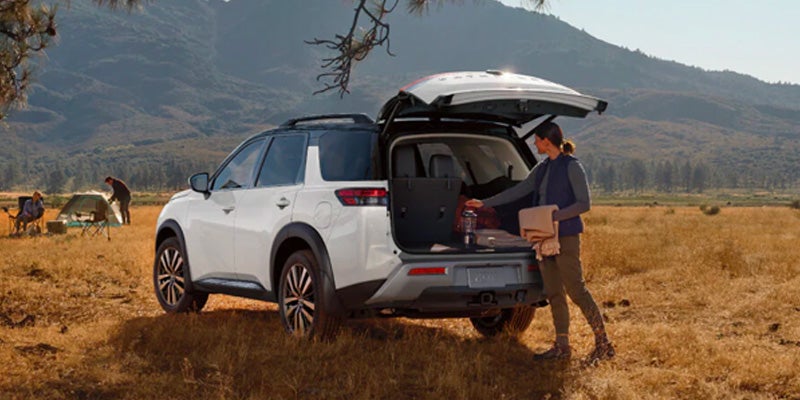
A 2025 Nissan Pathfinder with the trunk open - What Items Should You Keep in Your Car in Del Rio, TX 

What Items Should You Keep in Your Car in Del Rio, TX

Smart Car Essentials Every Driver Should Carry in Del Rio, TX What items should you keep in your car? Preparation rarely feels urgent… right up until the moment you actually need it. A flat tire on a quiet highway. A phone battery slipping into the red during a long summer drive. Sudden weather shifts that turn a routine commute into something far less predictable. In Del Rio, TX, where distances can stretch and temperatures can test both driver and machine, thoughtful preparation becomes less about caution and more about planning ahead. Consider this checklist a practical approach to daily driving. Safety Equipment Items That Protect Driver and Vehicle First aid kit with bandages, antiseptic wipes, and essential medical supplies. Jumper cables or a portable battery pack to manage unexpected starting issues. more High-quality flashlight with spare batteries for night-time roadside situations. Tire repair kit paired with a compact air compressor to restore mobility quickly. Reflective triangles or emergency flares to improve roadside visibility. These items provide reassurance in environments where immediate assistance may not always be close at hand. Comfort and Convenience Items for Daily Usability Refillable water bottles to maintain hydration during extended journeys. Non-perishable snacks such as nuts or energy bars for unexpected delays. Phone charging cable and portable power bank to preserve connectivity. Lightweight blanket and spare clothing layer for temperature fluctuations. Multi-tool for minor adjustments or practical roadside fixes. Designing your in-car environment around comfort improves concentration and reduces fatigue over longer distances around Del Rio. Seasonal Preparation for Local Driving Conditions Sunglasses and sunscreen to manage intense sunlight and glare. Compact umbrella or rain jacket for sudden seasonal downpours. Ice scraper and de-icer solution during colder winter mornings. Insect repellent for outdoor travel during warmer months. Adapting vehicle readiness to seasonal patterns reflects a proactive ownership mindset rather than reactive decision-making. Get Ready for the Travel Ahead Drivers in Del Rio, TX who prioritize preparedness often find that thoughtful vehicle organization enhances both safety and driving confidence. Exploring practical ownership advice and service support in person can help ensure your car remains ready for whatever the road ahead may present. Before you hit the road for your next adventure, it's always a good idea to stop by Brown Nissan in Del Rio for a pre-trip service check. Their experienced technicians can ensure your vehicle is road-ready by inspecting essential components like your tires, brakes, fluids, and battery. Regular maintenance from a trusted service center not only helps prevent unexpected breakdowns but also boosts your confidence, knowing your car is performing at its best. Whether you're planning a quick weekend getaway or a longer road trip, Brown Nissan can provide the peace of mind you need to focus on the journey ahead.

Vehicle Windshield Wipers

Windshield Wipers: When and How to Replace Them

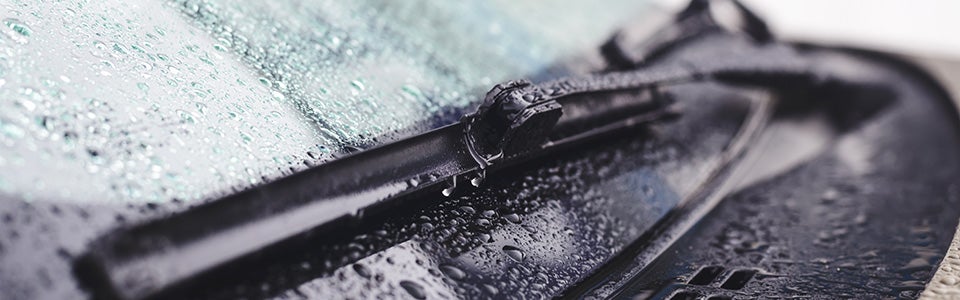
When was the last time you replaced your windshield wipers? If you’re noticing streaks, reduced visibility, or squeaking noises, it may be time for new windshield wipers. Drivers in Del Rio, Texas, know how important clear visibility is, especially during sudden weather changes. Let’s dive into when to replace your wiper blades, how to install windshield wipers, and how Brown Nissan of Del Rio can help. When to Replace Your Windshield Wiper Blades Windshield wipers are often overlooked until they stop performing effectively. As a general rule, experts recommend replacing your wiper blades every 6 to 12 months, depending on your driving conditions and climate. However, here are some signs it’s time to invest in new windshield wipers: more - Streaking or Smearing: If your wiper blades leave uneven marks on your windshield, they’re not clearing water effectively. - Squeaking or Chattering: Noise during operation often indicates worn-out rubber or alignment issues. - Cracks or Tears in the Rubber: Inspect your blades regularly for physical damage. Regular maintenance is key, and if you’re unsure about the condition of your wipers, the service team at Brown Nissan of Del Rio can inspect them for you. How to Install Windshield Wipers Installing new windshield wipers may sound daunting, but it’s a straightforward process you can tackle yourself with the right guidance. Here’s a quick overview of how to install wiper blades safely: 1. Remove the Old Blades: Lift the wiper arm away from the windshield and locate the release tab on the blade. Press the tab and slide the blade off the arm. 2. Match the New Blades: Ensure the replacement wipers are the correct size for your vehicle. Check your owner’s manual or consult our service team at Brown Nissan of Del Rio for confirmation. 3. Attach the New Blades: Slide the new blade onto the arm until it clicks securely into place. Gently lower the arm back onto the windshield. If you’re unsure about any step, don’t hesitate to visit our service department in Del Rio, TX. We’re here to help with all your wiper blade installation needs! At Brown Nissan of Del Rio, we understand the importance of driving with full visibility. Our highly trained technicians can guide you in selecting the best windshield wipers for your Nissan model and ensure proper installation. Plus, we offer a range of Nissan-approved parts designed for optimal performance. Don’t let worn-out wipers impact your safety on the road. Whether it’s time for new wiper blades or you need help with how to install windshield wipers, we’re here for drivers throughout Del Rio, TX.

A family in the car together - How to Prep for a Road Trip

Road Trip Prep: Essential Tips in Del Rio, TX

A road trip is an exciting way to explore new destinations, especially when starting your journey from a scenic area like Del Rio, TX. However, careful preparation is key to ensuring your trip is both safe and enjoyable. In this guide, we’ll cover how to prep for a road trip, including tips, a handy checklist, and essential pre-trip maintenance steps. Whether you’re heading to another part of Texas or venturing across the country, these tips will set you up for a smooth ride. FAQ: Common Questions About Road Trip Preparation What are the first steps in planning a road trip? The first step in planning your road trip is deciding on your destination and route. Use a GPS or map app to identify your stops, and consider factors like gas stations, rest areas, and restaurants along the way. It's also wise to check the weather forecast for your travel dates. more Another important starting point is creating a road trip checklist, which should include everything from must-have items to maintenance tasks. How can I ensure my vehicle is ready for a long drive? Before hitting the road, schedule a pre-trip vehicle inspection. This includes checking your oil, tires, brakes, and fluid levels. For drivers in Del Rio, TX, this service can be done at Brown Nissan of Del Rio, where experts can ensure your car is road-ready. Additionally, ensure your registration, insurance, and driver's license are up-to-date. Keep these documents easily accessible in case of emergencies. What are some safety essentials to bring? Safety should be a top priority. Pack items like a first-aid kit, jumper cables, a flashlight, and bottled water. Don’t forget a spare tire and tools for quick repairs, as well as a portable phone charger for emergency situations. Tips and Tricks for a Successful Road Trip - Plan Your Stops: Long drives can be tiring, so plan breaks to stretch your legs and refuel. Aim to stop every two to three hours. - Pack Light but Smart: Avoid overloading your vehicle. Pack only what you need but ensure essentials like snacks, water, and entertainment are included. - Stay Connected: Share your travel plans with someone back home and keep them updated on your progress. - Prepare for the Unexpected: Keep roadside assistance contact information handy and download any apps that can assist with navigation or finding services. By following these tips, you can reduce stress and focus on enjoying the journey. Things to Pack for Your Road Trip When preparing for a road trip, a well-thought-out packing list can save you from last-minute stress. Here’s what to include: - Clothing: Comfortable outfits for the car and weather-appropriate attire for your destination. - Electronics: Phone chargers, travel adapters, and headphones. - Snacks and Hydration: Non-perishable snacks like trail mix or granola bars and a reusable water bottle. - Entertainment: Books, podcasts, or playlists to keep everyone entertained. - Basic Tools and Supplies: A multi-tool, duct tape, and a small shovel can come in handy. Use your road trip checklist to ensure nothing is forgotten. Pre-Trip Maintenance: Vehicle Care Essentials No matter how well you plan your trip, your vehicle's condition will play a critical role in your journey's success. Here's how to prepare your car: - Check the Tires: Inspect for adequate tread depth and correct tire pressure. Don’t forget to check the spare tire. - Test the Battery: Ensure the battery is fully charged and free of corrosion. - Inspect Fluids: Check the oil, coolant, transmission fluid, and windshield washer fluid. Top off or replace as needed. - Lights and Wipers: Confirm that all lights work properly and that wiper blades are in good condition. Drivers in Del Rio, TX, can rely on the expert service team at Brown Nissan of Del Rio for comprehensive pre-trip maintenance. Preparing for a road trip doesn’t have to be overwhelming. By following these tips on how to prep for a road trip, creating a detailed road trip checklist, and ensuring your vehicle is in top shape, you’ll set yourself up for an unforgettable adventure. If you’re based in or near Del Rio, TX, visit Brown Nissan of Del Rio for pre-trip vehicle maintenance and expert advice. Let’s get your journey started on the right note!

A close up of a vehicle wheel - Rotor Resurfacing

Rotor Resurfacing Del Rio: Everything You Need to Know

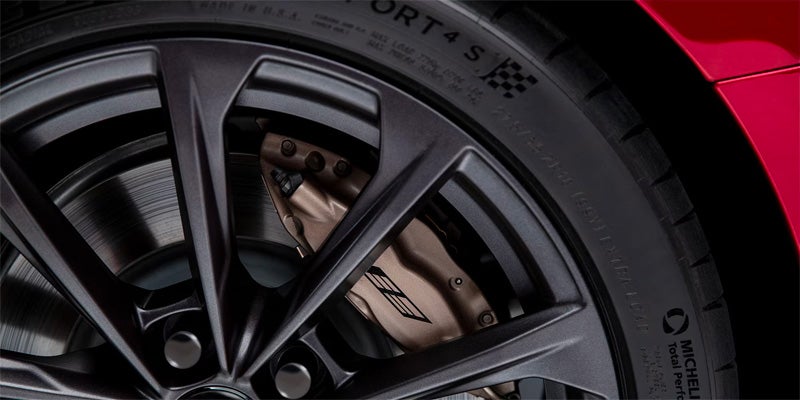
Rotors are a vital part of your vehicle’s braking system. These metal discs attach to the wheel hub and work alongside the brake pads and calipers to bring your vehicle to a controlled stop. When you press the brake pedal, the brake pads clamp against the rotors, generating the friction necessary to slow the vehicle safely. Regular rotor resurfacing ensures your braking system functions efficiently, maintaining safety and performance over time. Over time, continuous friction can cause the rotor surface to wear unevenly or develop grooves. In Del Rio, Texas, where weather and road conditions shift throughout the year, routine brake maintenance—such as rotor resurfacing—plays an important role in maintaining braking performance. Why Is Rotor Resurfacing Important? Rotor resurfacing removes surface imperfections caused by normal wear. By machining the rotors, technicians smooth away grooves, uneven spots, and minor warping. This restoration allows the brake pads to maintain consistent contact with the rotor surface, improving braking performance and extending the lifespan of both the pads and rotors. more Drivers in Del Rio, TX, should consider resurfacing when they notice symptoms such as vibration or unusual braking noises. Addressing rotor issues promptly reduces the risk of more extensive brake repairs and supports safer everyday driving. When to Consider Getting Your Rotors Resurfaced Several signs may indicate it is time to have rotors resurfaced. A pulsation or vibration in the brake pedal or steering wheel commonly points to uneven rotor surfaces. Squealing or grinding noises during braking can signal grooved rotors that need attention. Increased stopping distances may also occur when rotor wear affects overall braking efficiency. Staying ahead of these symptoms helps Del Rio drivers maintain reliable braking performance and avoid higher repair costs. Combining Rotor Resurfacing with Brake Repair Brake components work together, which is why rotor resurfacing is often paired with other brake services. If you are replacing brake pads, resurfacing the rotors ensures proper pad seating and smoother braking. This combined approach is especially beneficial for drivers in Del Rio, TX, where frequent stopping and varied driving conditions place additional strain on braking systems. Addressing both pads and rotors at the same time results in more consistent braking performance and can extend the overall life of the system. Brown Nissan of Del Rio offers expert brake care supported by certified technicians who understand the demands local drivers face. Our team is equipped to handle rotor resurfacing, brake repairs, and related maintenance with precision and attention to detail. From uneven rotor wear to larger brake concerns, we ensure your vehicle receives high-quality, reliable service. Del Rio drivers can rely on our commitment to safety, accurate diagnosis, and professional repair. Schedule your rotor resurfacing or brake service today and keep your vehicle performing at its best.

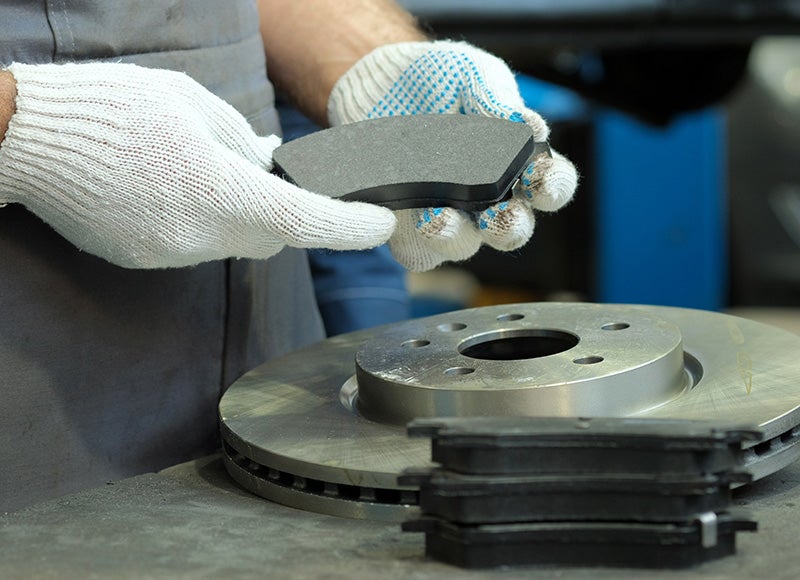
A mechanic holding brake pads - Basic Car Maintenance Everyone Should Know

Maintenance: The Basics That Everyone Should Know

Owning a vehicle comes with the responsibility of keeping it in good working condition. Regular car maintenance is essential for ensuring your Nissan runs efficiently and safely. By performing basic maintenance tasks and staying on top of routine checks, you can extend the lifespan of your vehicle, enhance its performance, and avoid costly repairs. At Brown Nissan in Del Rio, TX, we believe that car maintenance doesn’t have to be complicated. Understanding a few simple maintenance tasks can help you keep your Nissan running smoothly. Below, we’ll walk you through some basic car maintenance that every vehicle owner should know. 1. Regular Oil Changes: The Lifeblood of Your Engine Oil changes are one of the most important and simplest maintenance tasks you can perform for your car. Oil lubricates your engine’s moving parts, reducing friction and preventing excessive wear. Over time, oil breaks down and becomes less effective, which can lead to engine problems. How Often Should You Change the Oil? For most vehicles, it’s recommended to change the oil every 3,000 to 7,500 miles. However, newer models like the 2023 Nissan Altima may have longer intervals, so always check your owner’s manual for specific recommendations. Why It Matters Regular oil changes help improve fuel efficiency, reduce engine wear, and keep your Nissan running smoothly. Dirty oil can cause engine overheating, poor performance, and costly repairs down the road. Pro Tip: Use the correct oil type for your specific Nissan model. For instance, synthetic oil may be required for certain engines, and using the wrong type can result in engine damage. 2. Tire Maintenance: Keeping You Safe on the Road Tires are one of the most important components of your car when it comes to safety. Proper tire maintenance not only improves fuel efficiency but also ensures better handling, traction, and overall driving comfort. Tire Pressure Under-inflated tires can cause poor handling, reduced fuel efficiency, and even tire blowouts. Use a tire pressure gauge to check your tires regularly and ensure they’re inflated to the manufacturer’s recommended pressure, usually listed on the driver’s side door frame. Tire Rotation and Alignment Rotating your tires every 6,000 to 8,000 miles ensures even tire wear and extends the life of your tires. Misaligned tires can lead to uneven wear and affect the way your Nissan handles. If you notice your car pulling to one side, it’s time for an alignment check. Tread Depth Inspect your tire tread depth regularly to ensure there is enough grip on the road, especially during wet or slippery conditions. If the tread is worn down, it’s time to replace the tires. Pro Tip: Use the "penny test" to check tire tread. Place a penny in the tread with Lincoln’s head facing down. If you can see the top of his head, your tires need to be replaced. 3. Checking Fluid Levels: Keep Everything Running Smoothly Your Nissan relies on various fluids to operate efficiently, including engine coolant, transmission fluid, brake fluid, and power steering fluid. Low fluid levels can lead to overheating, poor braking, or difficulty shifting gears. Engine Coolant Regularly check the coolant level to prevent engine overheating, especially during hot months. Low coolant can lead to engine failure if not addressed promptly. Brake Fluid Brake fluid is essential for maintaining effective braking. If you notice any issues with your brakes, such as spongy pedals or reduced stopping power, it could be a sign of low brake fluid. Transmission Fluid Low or dirty transmission fluid can cause shifting issues and damage to the transmission. Check fluid levels according to your Nissan's manual. Pro Tip: When checking fluids, always ensure the engine is cool to avoid burns or injury, especially when handling coolant or radiator fluid. 4. Air Filter Replacement: Improving Efficiency and Air Quality The air filter in your Nissan is responsible for keeping dirt, debris, and contaminants out of the engine. A clean air filter improves fuel efficiency and overall engine performance. It also helps maintain better air quality inside the cabin. How Often to Replace? A clogged air filter can reduce engine power and efficiency. It’s recommended to replace your air filter every 12,000 to 15,000 miles, or more frequently if you drive in dusty conditions. Why It Matters A clean air filter allows the engine to breathe easier, improving fuel economy and reducing emissions. Replacing the air filter ensures that the engine gets the proper amount of air for combustion. Pro Tip: Check your air filter during routine oil changes. If it’s dirty or clogged, it’s time for a replacement. 5. Brake Maintenance: Safety First Brakes are the most critical safety feature of your Nissan, so it’s essential to ensure they’re in top condition. Regular brake inspections can help you avoid more expensive repairs and ensure your vehicle can stop efficiently in any situation. Brake Pads Worn brake pads will make it harder to stop your car and can damage the rotors. Inspect your brake pads regularly and replace them when they reach around 3mm in thickness. Brake Fluid Brake fluid is essential for maintaining the braking system. Low or old brake fluid can cause the brakes to fail or result in a spongy feel when you press the pedal. Pro Tip: If you notice squealing noises or feel vibrations when applying the brakes, it’s time for an inspection. 6. Battery Maintenance: Preventing Unexpected Breakdowns Your Nissan’s battery powers essential systems like the lights, radio, and starter. Over time, the battery can lose its charge or deteriorate, leading to problems starting your vehicle. Check Battery Terminals Corrosion around the battery terminals can cause poor contact, leading to a weak charge. Clean the terminals periodically to maintain optimal battery performance. Battery Life The average lifespan of a battery is around 3-5 years. If your vehicle has trouble starting, or if you notice dim lights or electrical issues, your battery may be failing and needs replacement. Pro Tip: Get your battery tested regularly to ensure it’s still in good condition. Many auto parts stores offer free battery tests. 7. Timing Belt and Chain: Avoiding Engine Damage The timing belt or timing chain ensures that the engine's valves open and close in sync with the pistons. If the timing belt fails, it can cause severe engine damage. When to Replace the Timing Belt Timing belts should typically be replaced every 60,000 to 100,000 miles, depending on your Nissan model. If you have a timing chain, it may not need replacement unless there’s an issue. Warning Signs of a Failing Timing Belt If you hear a ticking sound from the engine or if the engine misfires, it’s time to get the timing belt or chain inspected. Regular Maintenance Equals Long-Term Savings Performing basic maintenance on your Nissan can save you a lot of money in the long run by preventing costly repairs and improving fuel efficiency. By staying on top of oil changes, tire maintenance, fluid levels, and brake inspections, you can ensure that your Nissan runs smoothly and efficiently for years to come. At Brown Nissan in Del Rio, TX, we’re here to help you maintain your vehicle with our expert service team. Schedule your next maintenance appointment with us and keep your Nissan running at its best.

Contact Us

Fill out this form below and we'll contact you shortly
*Required Fields