

Owning a vehicle comes with the responsibility of keeping it in good working condition. Regular car maintenance is essential for ensuring your Nissan runs efficiently and safely. By performing basic maintenance tasks and staying on top of routine checks, you can extend the lifespan of your vehicle, enhance its performance, and avoid costly repairs.
At Brown Nissan in Del Rio, TX, we believe that car maintenance doesn’t have to be complicated. Understanding a few simple maintenance tasks can help you keep your Nissan running smoothly. Below, we’ll walk you through some basic car maintenance that every vehicle owner should know.
1. Regular Oil Changes: The Lifeblood of Your Engine
Oil changes are one of the most important and simplest maintenance tasks you can perform for your car. Oil lubricates your engine’s moving parts, reducing friction and preventing excessive wear. Over time, oil breaks down and becomes less effective, which can lead to engine problems.
- How Often Should You Change the Oil?
For most vehicles, it’s recommended to change the oil every 3,000 to 7,500 miles. However, newer models like the 2023 Nissan Altima may have longer intervals, so always check your owner’s manual for specific recommendations. - Why It Matters
Regular oil changes help improve fuel efficiency, reduce engine wear, and keep your Nissan running smoothly. Dirty oil can cause engine overheating, poor performance, and costly repairs down the road.
Pro Tip:
Use the correct oil type for your specific Nissan model. For instance, synthetic oil may be required for certain engines, and using the wrong type can result in engine damage.
2. Tire Maintenance: Keeping You Safe on the Road
Tires are one of the most important components of your car when it comes to safety. Proper tire maintenance not only improves fuel efficiency but also ensures better handling, traction, and overall driving comfort.
- Tire Pressure
Under-inflated tires can cause poor handling, reduced fuel efficiency, and even tire blowouts. Use a tire pressure gauge to check your tires regularly and ensure they’re inflated to the manufacturer’s recommended pressure, usually listed on the driver’s side door frame. - Tire Rotation and Alignment
Rotating your tires every 6,000 to 8,000 miles ensures even tire wear and extends the life of your tires. Misaligned tires can lead to uneven wear and affect the way your Nissan handles. If you notice your car pulling to one side, it’s time for an alignment check. - Tread Depth
Inspect your tire tread depth regularly to ensure there is enough grip on the road, especially during wet or slippery conditions. If the tread is worn down, it’s time to replace the tires.
Pro Tip:
Use the “penny test” to check tire tread. Place a penny in the tread with Lincoln’s head facing down. If you can see the top of his head, your tires need to be replaced.
3. Checking Fluid Levels: Keep Everything Running Smoothly
Your Nissan relies on various fluids to operate efficiently, including engine coolant, transmission fluid, brake fluid, and power steering fluid. Low fluid levels can lead to overheating, poor braking, or difficulty shifting gears.
- Engine Coolant
Regularly check the coolant level to prevent engine overheating, especially during hot months. Low coolant can lead to engine failure if not addressed promptly. - Brake Fluid
Brake fluid is essential for maintaining effective braking. If you notice any issues with your brakes, such as spongy pedals or reduced stopping power, it could be a sign of low brake fluid. - Transmission Fluid
Low or dirty transmission fluid can cause shifting issues and damage to the transmission. Check fluid levels according to your Nissan’s manual.
Pro Tip:
When checking fluids, always ensure the engine is cool to avoid burns or injury, especially when handling coolant or radiator fluid.
4. Air Filter Replacement: Improving Efficiency and Air Quality
The air filter in your Nissan is responsible for keeping dirt, debris, and contaminants out of the engine. A clean air filter improves fuel efficiency and overall engine performance. It also helps maintain better air quality inside the cabin.
- How Often to Replace?
A clogged air filter can reduce engine power and efficiency. It’s recommended to replace your air filter every 12,000 to 15,000 miles, or more frequently if you drive in dusty conditions. - Why It Matters
A clean air filter allows the engine to breathe easier, improving fuel economy and reducing emissions. Replacing the air filter ensures that the engine gets the proper amount of air for combustion.
Pro Tip:
Check your air filter during routine oil changes. If it’s dirty or clogged, it’s time for a replacement.
5. Brake Maintenance: Safety First
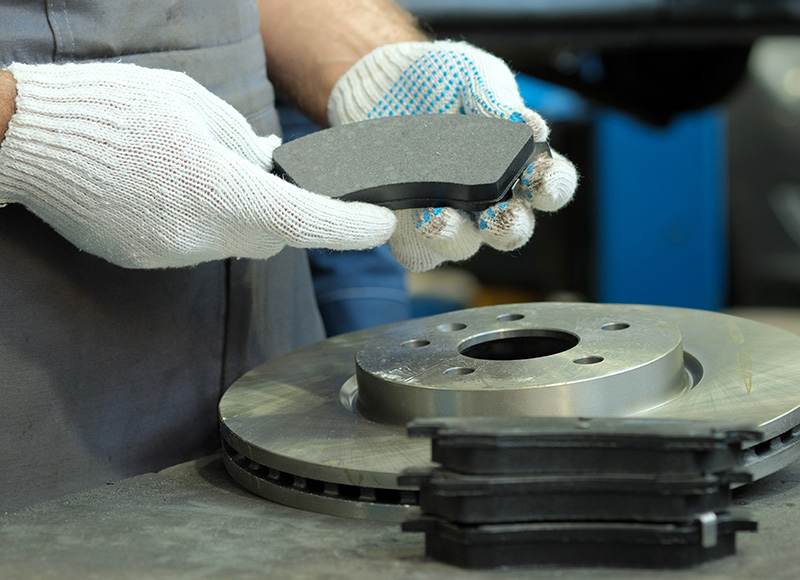
Brakes are the most critical safety feature of your Nissan, so it’s essential to ensure they’re in top condition. Regular brake inspections can help you avoid more expensive repairs and ensure your vehicle can stop efficiently in any situation.
- Brake Pads
Worn brake pads will make it harder to stop your car and can damage the rotors. Inspect your brake pads regularly and replace them when they reach around 3mm in thickness. - Brake Fluid
Brake fluid is essential for maintaining the braking system. Low or old brake fluid can cause the brakes to fail or result in a spongy feel when you press the pedal.
Pro Tip:
If you notice squealing noises or feel vibrations when applying the brakes, it’s time for an inspection.
6. Battery Maintenance: Preventing Unexpected Breakdowns
Your Nissan’s battery powers essential systems like the lights, radio, and starter. Over time, the battery can lose its charge or deteriorate, leading to problems starting your vehicle.
- Check Battery Terminals
Corrosion around the battery terminals can cause poor contact, leading to a weak charge. Clean the terminals periodically to maintain optimal battery performance. - Battery Life
The average lifespan of a battery is around 3-5 years. If your vehicle has trouble starting, or if you notice dim lights or electrical issues, your battery may be failing and needs replacement.
Pro Tip:
Get your battery tested regularly to ensure it’s still in good condition. Many auto parts stores offer free battery tests.
7. Timing Belt and Chain: Avoiding Engine Damage
The timing belt or timing chain ensures that the engine’s valves open and close in sync with the pistons. If the timing belt fails, it can cause severe engine damage.
- When to Replace the Timing Belt
Timing belts should typically be replaced every 60,000 to 100,000 miles, depending on your Nissan model. If you have a timing chain, it may not need replacement unless there’s an issue. - Warning Signs of a Failing Timing Belt
If you hear a ticking sound from the engine or if the engine misfires, it’s time to get the timing belt or chain inspected.
Regular Maintenance Equals Long-Term Savings
Performing basic maintenance on your Nissan can save you a lot of money in the long run by preventing costly repairs and improving fuel efficiency. By staying on top of oil changes, tire maintenance, fluid levels, and brake inspections, you can ensure that your Nissan runs smoothly and efficiently for years to come.
At Brown Nissan in Del Rio, TX, we’re here to help you maintain your vehicle with our expert service team. Schedule your next maintenance appointment with us and keep your Nissan running at its best.
Connect with us

