

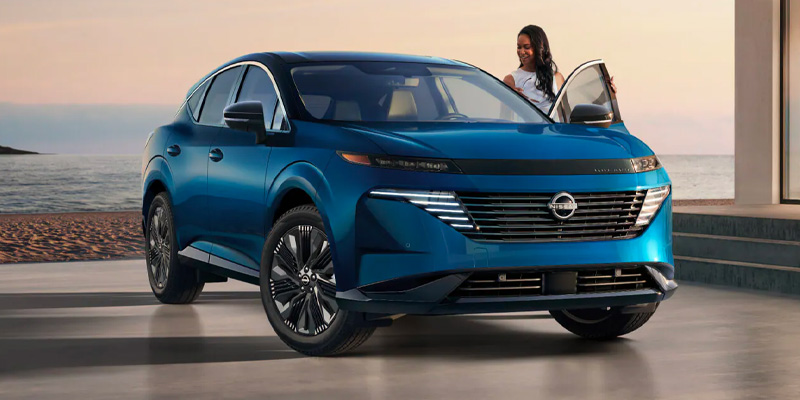
The ultimate expression of elegance, luxury, and family-friendliness. The 2026 Nissan Murano takes the practicality of your family SUV and infuses it with lavish modern design with Venetian-glass inspired elements, a first-class interior, and innovative technology to make your life easier and every drive bespoke. This midsize SUV is perfect for Del Rio, Texas families to take on your errands, road trips, activities, and everything in between. The 2026 Nissan Murano ensures every journey is as enjoyable as the destination.
Spacious and Stylish Interior
Step inside the 2026 Nissan Murano, and you’ll immediately notice its spa-like interior designed with families in mind. The available quilted semi-aniline leather-appointed seats offer a touch of luxury, while heated, ventilated, and massaging front seats ensure maximum comfort on long drives. The expansive panoramic moonroof lets natural light flood the cabin, creating an open and inviting atmosphere. With an available 63.5 cu. ft. of cargo space, this SUV is just asking to be packed up for a weekend adventure.
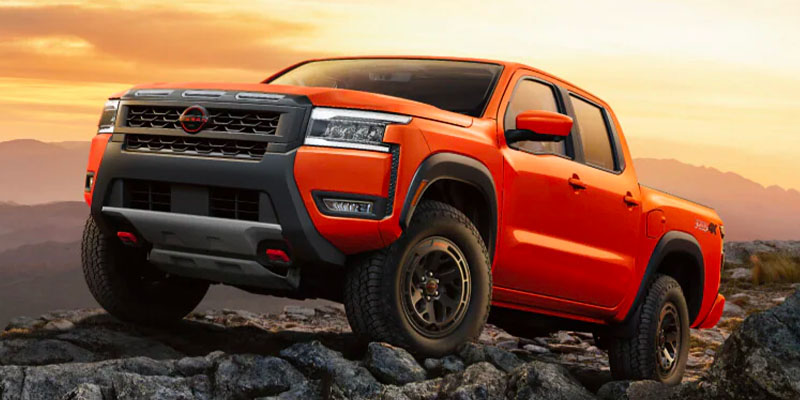
Read the rest of this entry »The 2026 Nissan Frontier is powered by a 3.8L V6 engine producing a solid 310 hp and 281 lbs.ft. of torque. Paired with a 9speed automatic transmission, you can expect exceptionally smooth acceleration. The Frontier’s 7,150 lb. towing capacity and solid midsize truck performance both onroad and offroad makes it perfect for drivers in Del Rio, Texas who tow and venture off the beaten path.
A V6 Engine Built for Power
At the heart of the 2026 Nissan Frontier is its award-winning 3.8L V6 engine, delivering 310 hp and 281 lbs.-ft. of torque. This engine has earned accolades for its reliability and performance, making it a standout in the midsize truck segment. Whether you’re hauling equipment or heading off-road, the Frontier’s smooth nine-speed automatic transmission ensures a seamless driving experience.
Read the rest of this entry »Top Used Cars for Families in Del Rio, TX
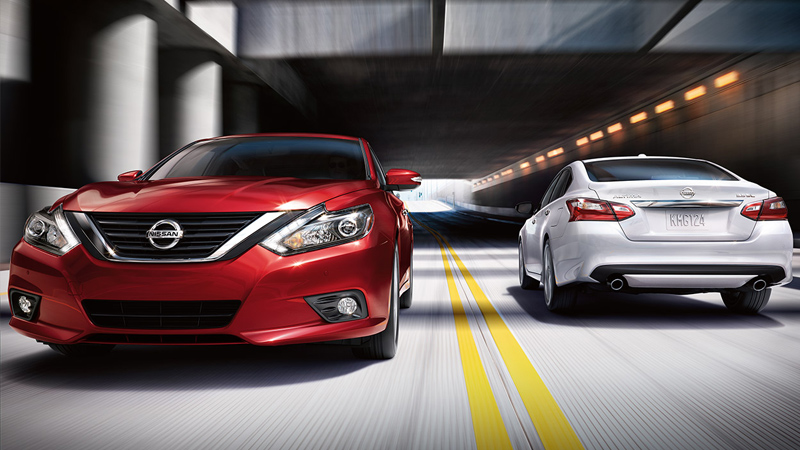
When it comes to finding the perfect vehicle for your family, safety, reliability, and comfort are top priorities. Whether you’re carpooling to school, heading out on a road trip, or running errands around Del Rio, Texas, choosing the right used car can make all the difference. In this guide, we’ll explore what makes a vehicle family-friendly and highlight some of the best used cars for families available.
What to Look for in Family-Friendly Vehicles
When selecting a vehicle for your family, it’s essential to consider features that prioritize safety, space, and convenience. Here are key aspects to evaluate:
Read the rest of this entry »Windshield Wipers: When and How to Replace Them
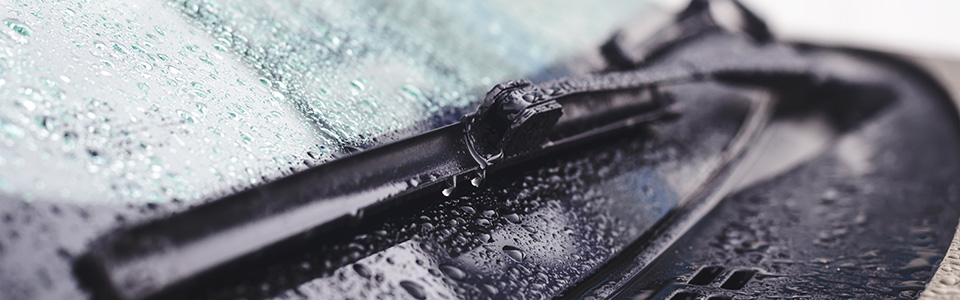
When was the last time you replaced your windshield wipers? If you’re noticing streaks, reduced visibility, or squeaking noises, it may be time for new windshield wipers. Drivers in Del Rio, Texas, know how important clear visibility is, especially during sudden weather changes. Let’s dive into when to replace your wiper blades, how to install windshield wipers, and how Brown Nissan of Del Rio can help.
When to Replace Your Windshield Wiper Blades
Windshield wipers are often overlooked until they stop performing effectively. As a general rule, experts recommend replacing your wiper blades every 6 to 12 months, depending on your driving conditions and climate. However, here are some signs it’s time to invest in new windshield wipers:
Read the rest of this entry »Road Trip Prep: Essential Tips in Del Rio, TX
A road trip is an exciting way to explore new destinations, especially when starting your journey from a scenic area like Del Rio, TX. However, careful preparation is key to ensuring your trip is both safe and enjoyable. In this guide, we’ll cover how to prep for a road trip, including tips, a handy checklist, and essential pre-trip maintenance steps. Whether you’re heading to another part of Texas or venturing across the country, these tips will set you up for a smooth ride.

FAQ: Common Questions About Road Trip Preparation
What are the first steps in planning a road trip?
The first step in planning your road trip is deciding on your destination and route. Use a GPS or map app to identify your stops, and consider factors like gas stations, rest areas, and restaurants along the way. It’s also wise to check the weather forecast for your travel dates.
Read the rest of this entry »As sustainability becomes a growing priority, Nissan continues to advance electric mobility with an EV lineup built for modern drivers. For eco-minded drivers in Del Rio, TX, Nissan offers all-electric options designed to reduce emissions, lower fuel consumption, and deliver a smooth, quiet driving experience. From the long-running Nissan LEAF® to the now-discontinued but influential ARIYA®, Nissan’s electric offerings reflect a commitment to innovation and environmental responsibility. The Nissan electric vehicle lineup showcases a forward-thinking approach to clean driving, providing drivers with both performance and sustainability.
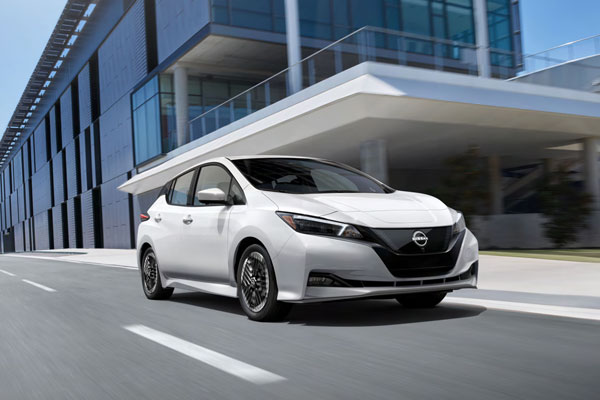
Nissan LEAF®: A Pioneer in Electric Mobility
The Nissan LEAF® has been one of the most recognizable EVs on the road and remains available in Nissan’s current electric lineup. The LEAF® combines approachable electric driving with modern technology, including available driver-assist features, a spacious cabin, and the quiet, responsive feel that electric motors are known for.
Read the rest of this entry »Rotors are a vital part of your vehicle’s braking system. These metal discs attach to the wheel hub and work alongside the brake pads and calipers to bring your vehicle to a controlled stop. When you press the brake pedal, the brake pads clamp against the rotors, generating the friction necessary to slow the vehicle safely. Regular rotor resurfacing ensures your braking system functions efficiently, maintaining safety and performance over time.
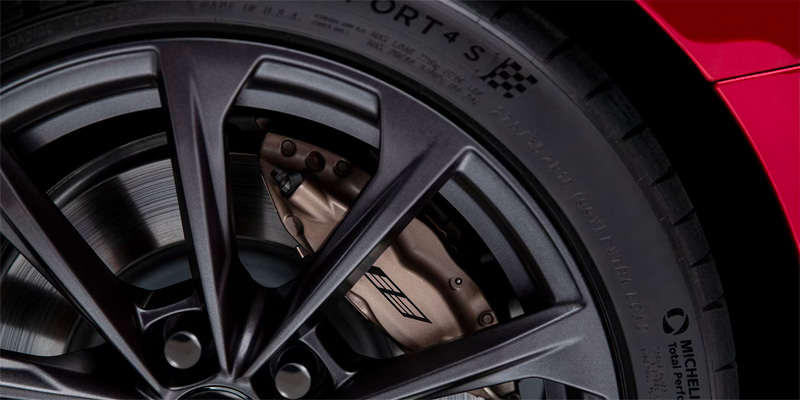
Over time, continuous friction can cause the rotor surface to wear unevenly or develop grooves. In Del Rio, Texas, where weather and road conditions shift throughout the year, routine brake maintenance—such as rotor resurfacing—plays an important role in maintaining braking performance.
Why Is Rotor Resurfacing Important?
Rotor resurfacing removes surface imperfections caused by normal wear. By machining the rotors, technicians smooth away grooves, uneven spots, and minor warping. This restoration allows the brake pads to maintain consistent contact with the rotor surface, improving braking performance and extending the lifespan of both the pads and rotors.
Read the rest of this entry »Extended Warranties: Vital for Your Nissan Vehicle
When purchasing a new or certified pre-owned Nissan, many drivers consider extended warranties as a way to ensure long-term protection and peace of mind. Extended warranties, or vehicle service contracts, can significantly enhance the ownership experience by covering a range of potential repairs and maintenance costs after the original manufacturer’s warranty expires. This blog will explore the significance of extended warranties, what they cover, and why they’re an essential option for Nissan owners looking to secure their vehicle’s future performance.
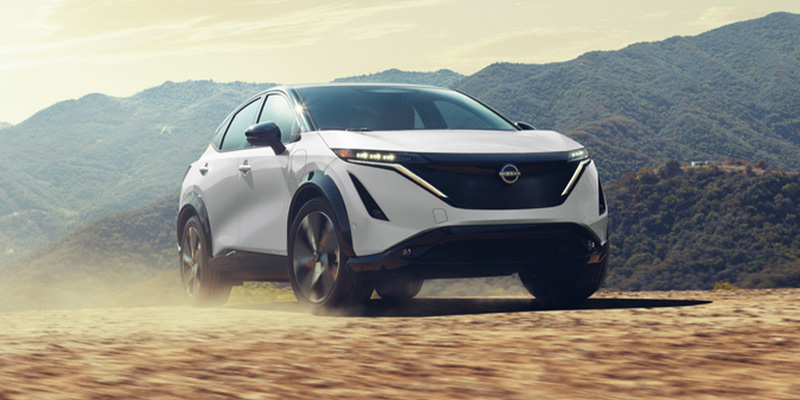
Why Extended Warranties Matter for Nissan Owners
Nissan vehicles are known for their reliability and advanced engineering, but even the most well-built vehicles can experience unexpected issues over time. While the factory warranty provides ample coverage during the early years of ownership, an extended warranty can give you additional protection against unforeseen repair costs, which could otherwise be financially burdening.
Read the rest of this entry »2025 Nissan Lineup: A Glimpse Into the Future
The 2025 Nissan lineup introduces an exciting range of vehicles that seamlessly blend cutting-edge technology, advanced safety features, and a commitment to performance. Whether you’re searching for a powerful SUV, an efficient sedan, or an electric vehicle, the 2025 models offer something for every driver. Let’s dive into the standout features, performance enhancements, and what makes this year’s Nissan models the perfect choice for your next vehicle.
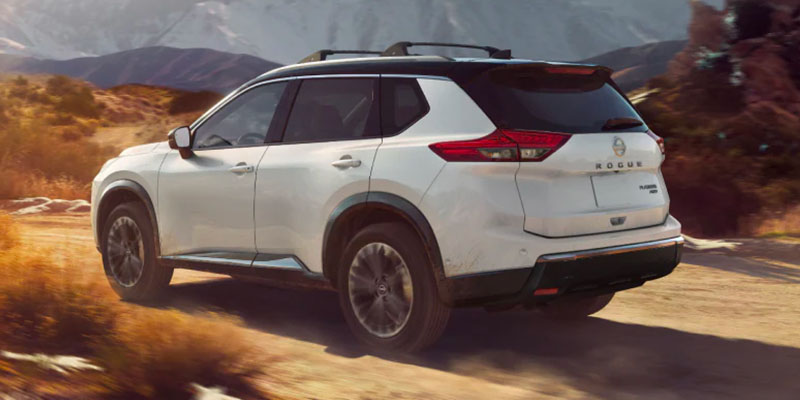
Nissan’s 2025 Lineup Innovation: The Latest Features Across the Brand
As one of the leading automakers in the world, Nissan has always been at the forefront of automotive innovation. The 2025 lineup exemplifies this commitment to progress, with an emphasis on sustainability, connectivity, and driver satisfaction. Whether it’s the Nissan Rogue, Altima, or the all-new Nissan Ariya, each model brings something unique to the table, catering to a variety of driving preferences.
Read the rest of this entry »Maintenance: The Basics That Everyone Should Know
Owning a vehicle comes with the responsibility of keeping it in good working condition. Regular car maintenance is essential for ensuring your Nissan runs efficiently and safely. By performing basic maintenance tasks and staying on top of routine checks, you can extend the lifespan of your vehicle, enhance its performance, and avoid costly repairs.
At Brown Nissan in Del Rio, TX, we believe that car maintenance doesn’t have to be complicated. Understanding a few simple maintenance tasks can help you keep your Nissan running smoothly. Below, we’ll walk you through some basic car maintenance that every vehicle owner should know.
1. Regular Oil Changes: The Lifeblood of Your Engine
Oil changes are one of the most important and simplest maintenance tasks you can perform for your car. Oil lubricates your engine’s moving parts, reducing friction and preventing excessive wear. Over time, oil breaks down and becomes less effective, which can lead to engine problems.
- How Often Should You Change the Oil?
For most vehicles, it’s recommended to change the oil every 3,000 to 7,500 miles. However, newer models like the 2023 Nissan Altima may have longer intervals, so always check your owner’s manual for specific recommendations. - Why It Matters
Regular oil changes help improve fuel efficiency, reduce engine wear, and keep your Nissan running smoothly. Dirty oil can cause engine overheating, poor performance, and costly repairs down the road.
Pro Tip:
Use the correct oil type for your specific Nissan model. For instance, synthetic oil may be required for certain engines, and using the wrong type can result in engine damage.
2. Tire Maintenance: Keeping You Safe on the Road
Tires are one of the most important components of your car when it comes to safety. Proper tire maintenance not only improves fuel efficiency but also ensures better handling, traction, and overall driving comfort.
- Tire Pressure
Under-inflated tires can cause poor handling, reduced fuel efficiency, and even tire blowouts. Use a tire pressure gauge to check your tires regularly and ensure they’re inflated to the manufacturer’s recommended pressure, usually listed on the driver’s side door frame. - Tire Rotation and Alignment
Rotating your tires every 6,000 to 8,000 miles ensures even tire wear and extends the life of your tires. Misaligned tires can lead to uneven wear and affect the way your Nissan handles. If you notice your car pulling to one side, it’s time for an alignment check. - Tread Depth
Inspect your tire tread depth regularly to ensure there is enough grip on the road, especially during wet or slippery conditions. If the tread is worn down, it’s time to replace the tires.
Pro Tip:
Use the “penny test” to check tire tread. Place a penny in the tread with Lincoln’s head facing down. If you can see the top of his head, your tires need to be replaced.
3. Checking Fluid Levels: Keep Everything Running Smoothly
Your Nissan relies on various fluids to operate efficiently, including engine coolant, transmission fluid, brake fluid, and power steering fluid. Low fluid levels can lead to overheating, poor braking, or difficulty shifting gears.
- Engine Coolant
Regularly check the coolant level to prevent engine overheating, especially during hot months. Low coolant can lead to engine failure if not addressed promptly. - Brake Fluid
Brake fluid is essential for maintaining effective braking. If you notice any issues with your brakes, such as spongy pedals or reduced stopping power, it could be a sign of low brake fluid. - Transmission Fluid
Low or dirty transmission fluid can cause shifting issues and damage to the transmission. Check fluid levels according to your Nissan’s manual.
Pro Tip:
When checking fluids, always ensure the engine is cool to avoid burns or injury, especially when handling coolant or radiator fluid.
4. Air Filter Replacement: Improving Efficiency and Air Quality
The air filter in your Nissan is responsible for keeping dirt, debris, and contaminants out of the engine. A clean air filter improves fuel efficiency and overall engine performance. It also helps maintain better air quality inside the cabin.
- How Often to Replace?
A clogged air filter can reduce engine power and efficiency. It’s recommended to replace your air filter every 12,000 to 15,000 miles, or more frequently if you drive in dusty conditions. - Why It Matters
A clean air filter allows the engine to breathe easier, improving fuel economy and reducing emissions. Replacing the air filter ensures that the engine gets the proper amount of air for combustion.
Pro Tip:
Check your air filter during routine oil changes. If it’s dirty or clogged, it’s time for a replacement.
5. Brake Maintenance: Safety First
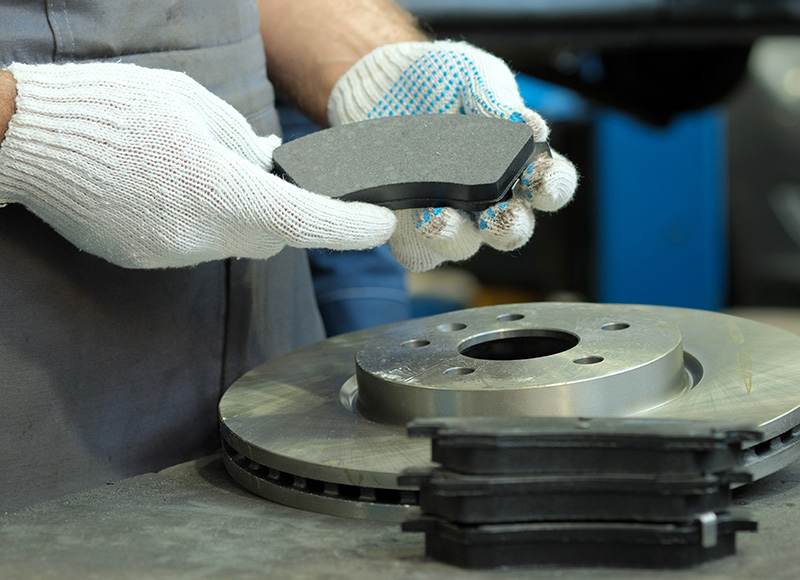
Brakes are the most critical safety feature of your Nissan, so it’s essential to ensure they’re in top condition. Regular brake inspections can help you avoid more expensive repairs and ensure your vehicle can stop efficiently in any situation.
- Brake Pads
Worn brake pads will make it harder to stop your car and can damage the rotors. Inspect your brake pads regularly and replace them when they reach around 3mm in thickness. - Brake Fluid
Brake fluid is essential for maintaining the braking system. Low or old brake fluid can cause the brakes to fail or result in a spongy feel when you press the pedal.
Pro Tip:
If you notice squealing noises or feel vibrations when applying the brakes, it’s time for an inspection.
6. Battery Maintenance: Preventing Unexpected Breakdowns
Your Nissan’s battery powers essential systems like the lights, radio, and starter. Over time, the battery can lose its charge or deteriorate, leading to problems starting your vehicle.
- Check Battery Terminals
Corrosion around the battery terminals can cause poor contact, leading to a weak charge. Clean the terminals periodically to maintain optimal battery performance. - Battery Life
The average lifespan of a battery is around 3-5 years. If your vehicle has trouble starting, or if you notice dim lights or electrical issues, your battery may be failing and needs replacement.
Pro Tip:
Get your battery tested regularly to ensure it’s still in good condition. Many auto parts stores offer free battery tests.
7. Timing Belt and Chain: Avoiding Engine Damage
The timing belt or timing chain ensures that the engine’s valves open and close in sync with the pistons. If the timing belt fails, it can cause severe engine damage.
- When to Replace the Timing Belt
Timing belts should typically be replaced every 60,000 to 100,000 miles, depending on your Nissan model. If you have a timing chain, it may not need replacement unless there’s an issue. - Warning Signs of a Failing Timing Belt
If you hear a ticking sound from the engine or if the engine misfires, it’s time to get the timing belt or chain inspected.
Regular Maintenance Equals Long-Term Savings
Performing basic maintenance on your Nissan can save you a lot of money in the long run by preventing costly repairs and improving fuel efficiency. By staying on top of oil changes, tire maintenance, fluid levels, and brake inspections, you can ensure that your Nissan runs smoothly and efficiently for years to come.
At Brown Nissan in Del Rio, TX, we’re here to help you maintain your vehicle with our expert service team. Schedule your next maintenance appointment with us and keep your Nissan running at its best.
Connect with us

